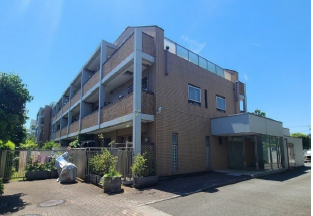
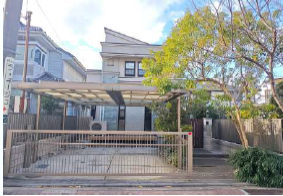
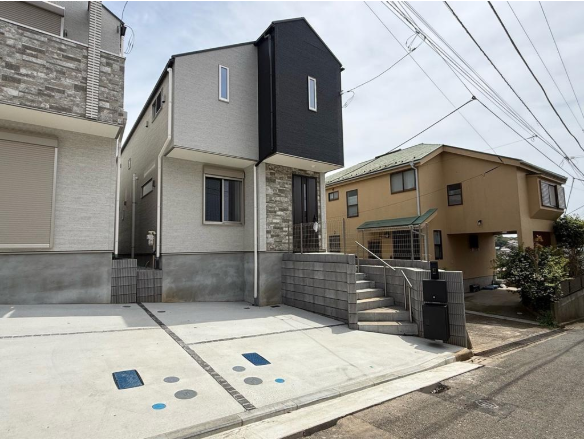
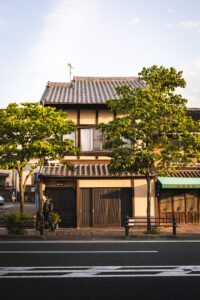
Owning a home in Japan is a dream for many — whether it’s a cozy apartment in Tokyo, a family house in the suburbs, or a countryside retreat. While purchasing property in Japan is possible for foreigners, the process of securing financing can feel complex and intimidating.
Japanese banks are often cautious about lending to non-Japanese applicants, but that doesn’t mean it’s impossible. In fact, many foreigners — especially those with permanent residency or stable long-term employment — have successfully taken out home loans in Japan.
This article breaks down everything you need to know about getting a mortgage as a foreigner in Japan: the requirements, recommended banks, key documents, and the step-by-step process.
Disclaimer: This article is for general informational purposes only. Loan terms, eligibility requirements, and interest rates vary by financial institution and may change over time. Always confirm the latest details directly with the lender or a qualified financial professional.
What are the Eligibility Requirements?
Before we get into the details, note that only residents of Japan are typically eligible to apply for home loans. Non-residents generally cannot obtain financing from Japanese banks.
That said, here are the most common conditions you’ll need to meet:
Stable annual income — typically at least ¥2,000,000 or more
Full-time employment in Japan for at least 2–3 years (some exceptions apply)
Visa or residency status — permanent residency, a working visa, or a Japanese spouse (though not always required)
Good credit history — no missed payments or unpaid debts in Japan
Age requirements — generally under 65 at the time of application, and under 75–80 by the end of the repayment period
Japanese language ability — or someone who can assist you during the process
Keep in mind that these requirements vary from bank to bank, so always confirm directly before applying.
Recommended Banks and Lenders
Here are some of the most common banks and lenders that work with foreign residents in Japan:
Prestia SMBC Trust Bank
No permanent residency or guarantor required
English support available
Typically requires annual income of around ¥10 million or more
Tokyo Star Bank
No permanent residency or guarantor required
English and Chinese support available
Minimum annual income of around ¥4 million
Also supports residents from Taiwan
SBI Shinsei Bank
Requires permanent residency or a Japanese spouse acting as guarantor
English and Chinese support available (loan contracts are in Japanese)
Suruga Bank
No permanent residency required
Minimum annual income: about ¥4 million
Requires an in-person consultation and Japanese language proficiency (no translation support)
JA Bank, MUFG Bank, Mizuho Bank
Possible for foreigners, but typically more documentation and Japanese fluency required
Other Option: Flat 35 (フラット35)
A government-backed loan program offering long-term fixed interest rates. Some foreigners qualify, especially if they hold permanent residency.
💡 Note: Eligibility information is accurate as of 2025 and may change. Always verify current conditions with each lender.
What are the Documents Needed to Apply for a Mortgage in Japan?
When applying for a mortgage in Japan, prepare the following documents:
Residence card (在留カード)
Certificate of employment (在職証明書), if applicable
Income statements or tax returns (源泉徴収票 / 確定申告書)
Property information and contract details
Bank account and credit report
Personal seal (印鑑)
Guarantor information (保証人), if required
Tip: If you’re not confident in your Japanese ability, bring a bilingual agent or friend. However, note that some banks only allow the applicant to attend meetings.
Down Payment & Loan Limits
Most Japanese banks require:
Down payment: 10–20% of the property price
Monthly repayment limit: Usually no more than 30–35% of your gross income
Some lenders may offer 100% financing, but this is rare and comes with stricter conditions.
Pro tip: Remember that your total budget should include more than just the property price. Additional costs such as taxes, insurance, agent fees, and registration expenses typically add another 6–10% of the total purchase price.
The Loan Process: Step-by-Step
Here’s how the typical process works:
Preliminary loan screening (事前審査) – Submit basic documents to see if you qualify.
Choose a property that fits your budget and eligibility.
Make an offer and sign a sales contract (conditional on loan approval).
Submit the official loan application (本審査) for full review.
Sign the final loan agreement.
Finalize the purchase and move in!
The entire process usually takes 1–2 months, depending on the bank and documentation.
Tips & Important Notes
Interest rates in Japan are among the lowest in the world, often below 2%.
Interest conditions and approval criteria can change, so always confirm the latest information.
Bring a Japanese speaker or professional agent for support — most documents and contracts are in Japanese.
Get pre-qualified early to understand your borrowing power before committing to a property.
In Conclusion
Getting a home loan in Japan as a foreigner isn’t impossible — it just requires preparation, paperwork, and patience. If you’re serious about purchasing property, start by consulting a real estate professional or financial advisor who has experience working with international clients.
With the right guidance and documentation, owning a home in Japan can become a reality.
START YOUR JOURNEY TODAY
Ready to buy property in Japan? Let Mr. LAND guide you toward making your dream a reality. Browse our listings, book a consultation, or contact our friendly team for more information.
Don’t wait—take the first step toward owning your dream property in Japan today!
Ready to buy property in Japan? Let Mr. LAND guide you toward making your dream a reality. Browse our listings, book a consultation, or contact our friendly team for more information.
Don’t wait—take the first step toward owning your dream property in Japan today!