Tokyo: The City with the Most Restaurants in the World
Posted on January 26, 2026
Article written by Yoshiaki Maekawa
I recently read a report stating that Tokyo is the best city in the world for solo female travelers. Indeed, the city is clean and safe, even at night. In addition, having the largest number of restaurants in the world is another major advantage for women traveling alone.
There are countless delicious restaurants where women can comfortably dine on their own, giving Tokyo far more choices than other cities. For example, Tokyo has more than five times as many restaurants as New York. And it’s not just about quantity.
In 2024, the American gourmet magazine Food & Wine announced its “Global Tastemakers Awards,” ranking Tokyo No. 1 in the category of cities where dining is most enjoyable, followed by Osaka at No. 9 and Kyoto at No. 11. The magazine cited the wide range of high-quality restaurants—alongside ramen shops, food stalls, regional cuisine, and popular international eateries scattered throughout the city—as key reasons for the ranking. Tokyo’s culinary appeal lies in its refined cooking techniques, high-quality ingredients, and strong respect for Japanese traditions, all of which continue to captivate travelers from around the world. Tokyo also offers an exceptional food environment for Japanese tourists and business travelers visiting from other regions of Japan.
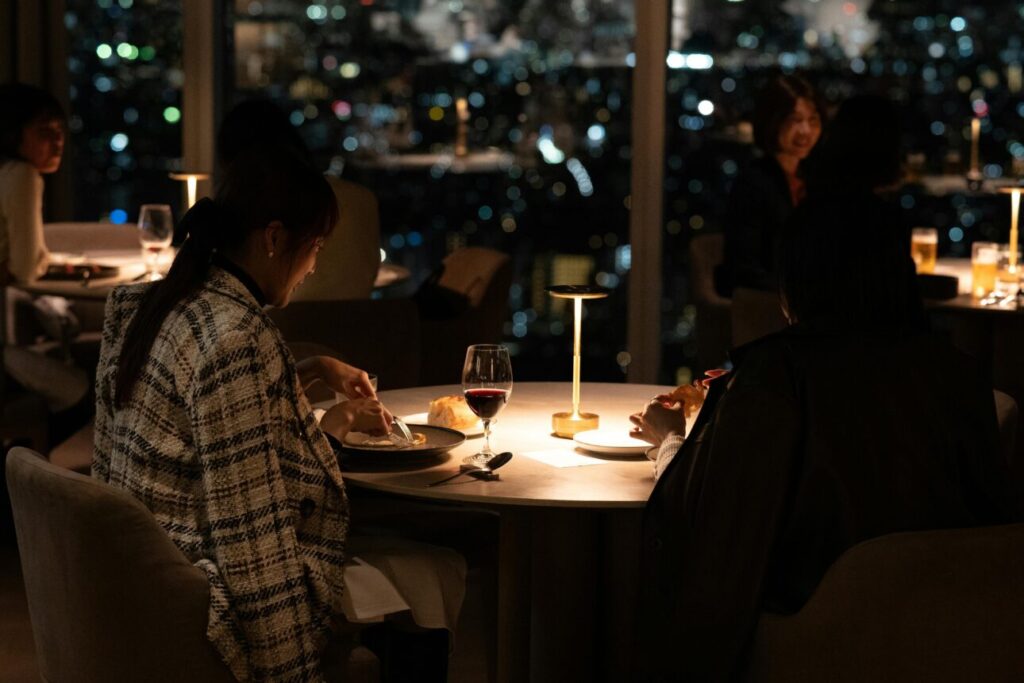
From casual standing bars tucked away in narrow backstreets, to restaurants with stunning nighttime views on high-rise floors, to Michelin-starred establishments, Tokyo offers it all. Tokyo currently has the highest total number of Michelin-starred restaurants in the world (170 in Tokyo, followed by Paris with 121). Tokyo also leads in three-star restaurants, with 12, compared to Paris’s 10.
Tokyo is, indeed, the world’s leading gourmet city.
Not Just Japanese Cuisine!
Tokyo offers far more than sushi, tempura, and ramen. For example, there are 50 Michelin-starred French restaurants in the city alone.
Tokyo developed as a vast metropolis by connecting communities that date back to the Edo period. Between major urban hubs such as Ginza, Shibuya, Shinjuku, and Ikebukuro lie quiet, hidden neighborhoods with a “hidden gem” atmosphere. From traditional downtown areas like Asakusa that retain the charm of old Edo, to former samurai residential districts, to the elegant shopping streets of Ginza, each area has its own unique character.
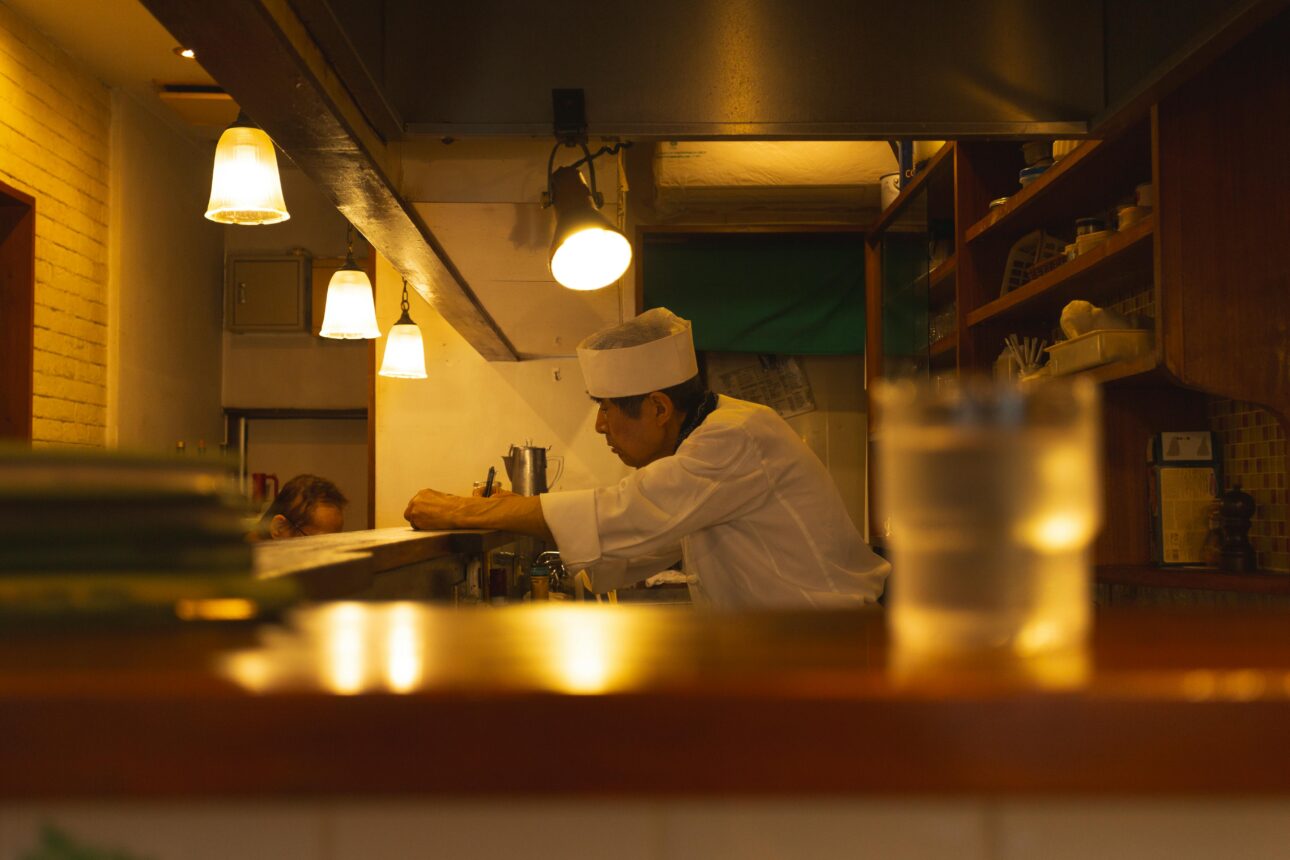
Scattered throughout the city are long-established izakaya pubs, sushi restaurants, tempura shops, eel restaurants, and soba noodle shops—many of them small, with seating for only around ten people. In such places, guests can enjoy a warm, home-like atmosphere and conversations with the chef and regular customers. Beyond the taste and presentation of the food, many of these restaurants are also known for their exceptional hospitality.
Japanese Sake You Should Try
For those who enjoy alcohol, I highly recommend trying Japanese sake while enjoying Japanese cuisine. In Japan, when people speak of alcohol, they often mean sake.
Although the brewing method for refined sake was perfected in the Kansai region during the mid-Edo period, today local sake from all across Japan competes in quality and flavor. A sake brewer once told me, “The taste of sake is the taste of the rice.” The quality of the water also has a major influence.
Surrounded by mountains, Japan is blessed with some of the world’s finest natural water, found throughout the country. I encourage you to experience the pairing of Japanese food and sake—it is sure to become an unforgettable and wonderful experience.
START YOUR JOURNEY TODAY
Ready to buy property in Japan? Let Mr. LAND guide you toward making your dream a reality. Browse our listings, book a consultation, or contact our friendly team for more information.
Don’t wait—take the first step toward owning your dream property in Japan today!
Ready to buy property in Japan? Let Mr. LAND guide you toward making your dream a reality. Browse our listings, book a consultation, or contact our friendly team for more information.
Don’t wait—take the first step toward owning your dream property in Japan today!