Japan’s Last Train Culture(終電): Japan’s Last Train Culture Explained
Posted on February 7, 2026
Introduction
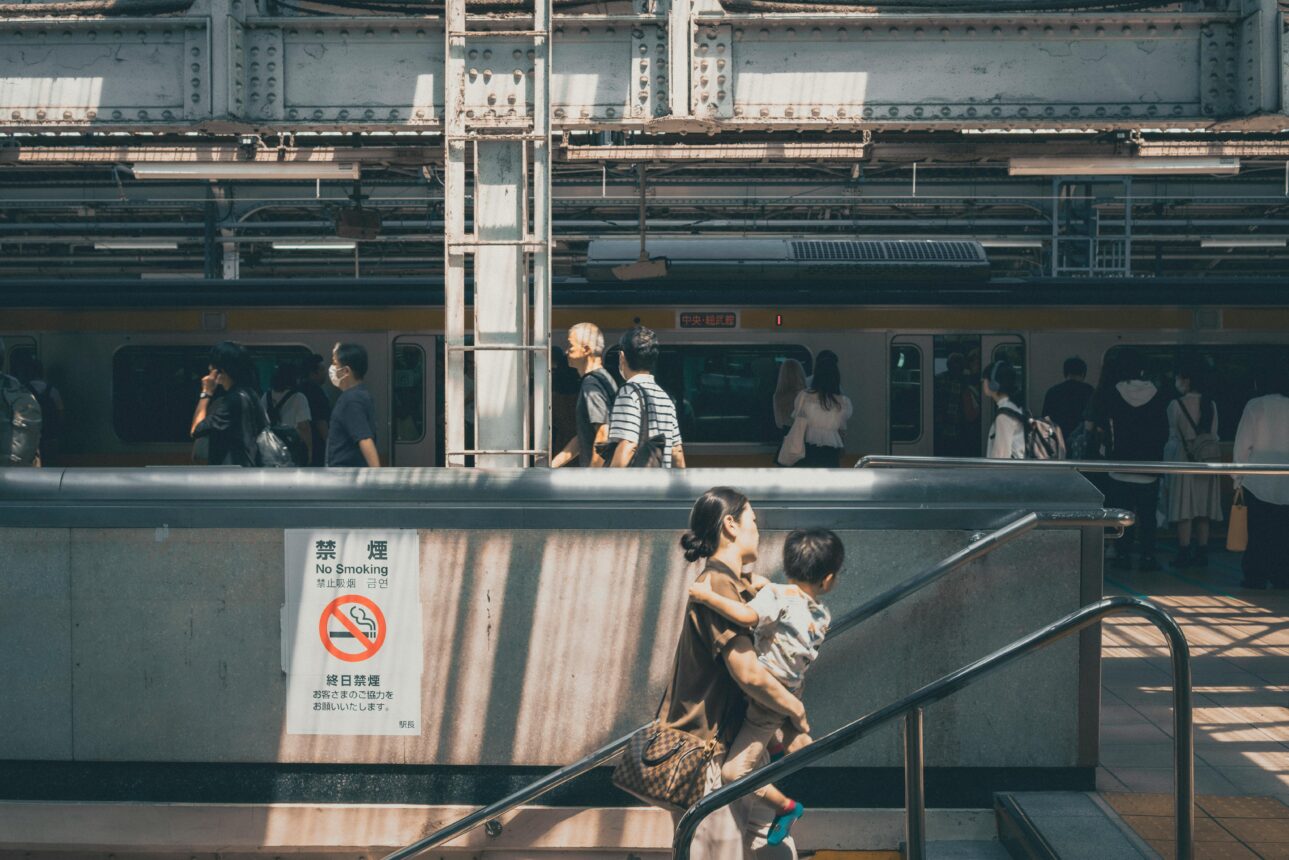
Japan’s transportation system is famous for its almost unbelievable punctuality. Every morning, trains funnel hundreds of thousands of commuters from Chiba, Kanagawa and Saitama into Tokyo, only to send them back again in the evening with clockwork precision. It sometimes feels less like public transport and more like a highly efficient logistics operation. People in, people out, right on time.
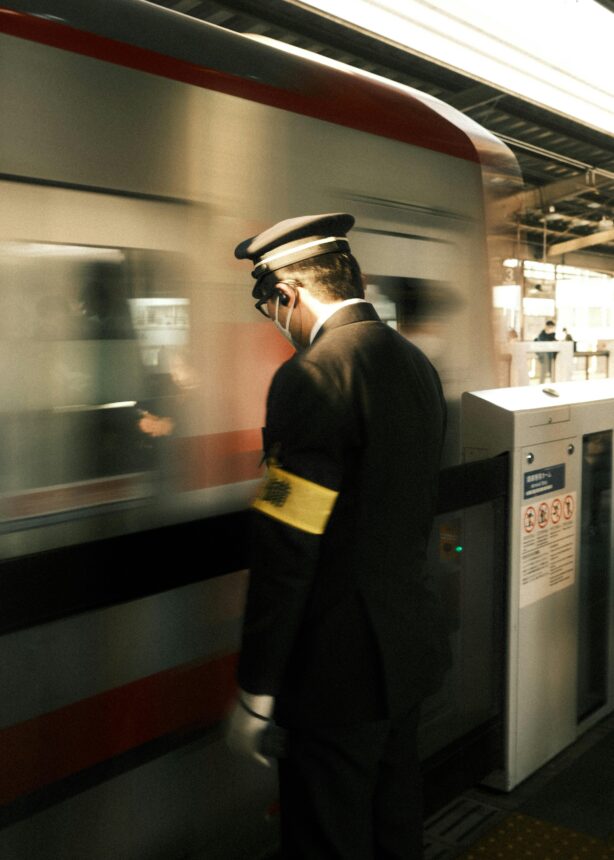
As one of the largest commuter networks in the world, Japan doesn’t just focus on moving huge numbers of people—it obsesses over quality. From cleanliness and safety to staff professionalism and passenger etiquette, the system reflects a shared mindset: transport is a service, and that service must work flawlessly.
When you compare it with the frequent delays and sudden cancellations of some European railway systems (where walking might occasionally be the quicker option), Japan’s trains can seem almost perfect.
Almost.
Because there is one unavoidable weakness that even Japan’s transport system can’t overcome: the last train.
It sounds harmless enough, right? Miss the last train, take the next one. Except in Japan, there is no next one. Once the last train is gone, that’s it. And this is where things get interesting. Catching the last train in Japan can feel just as important as securing your annual bonus. People sprint through stations, leap across platforms, and calculate drinking time with military precision—all for that final departure of the night.
It’s a uniquely Japanese phenomenon: a world-class transport system that runs perfectly all day… and then simply stops.
For a city as large and advanced as Tokyo, it is surprisingly hard to believe that trains stop running before midnight. Many visitors assume that a global metropolis like this would have a 24-hour railway system. However, that is not the case. Even on New Year’s Day—the first day of January—only a handful of train lines operate throughout the night. Most lines shut down completely, forcing passengers to wait for the first morning train or find alternative ways to get home, often using taxis or Ubers
Taking a taxi in Tokyo can be a painful experience for your wallet. A single ride can easily cost as much as one night in a hotel. For instance, the distance between Narita Airport and Haneda Airport is about 77 kilometers (47.8 miles). It sounds manageable, right? Yet a taxi ride between the two airports can cost nearly 35,000 JPY (around 220 USD). Considering that the average monthly income in Japan is roughly 360,000 JPY (about 2,280 USD), a simple mistake—such as arriving at the wrong airport late at night—could cost nearly 10% of a person’s monthly salary.
So, when exactly do Tokyo’s railways stop running? The answer is: it depends. It depends on where you are and where you are going. Trains serving central Tokyo usually run later, but if you are heading to places farther away—such as Chiba or Kamakura—it is best to leave the city by around 11:00 p.m. Doing so gives you some margin for error, especially if you accidentally board a train heading in the opposite direction. One wrong move late at night can send you more than 30 miles away from your intended destination, with very limited options to recover.
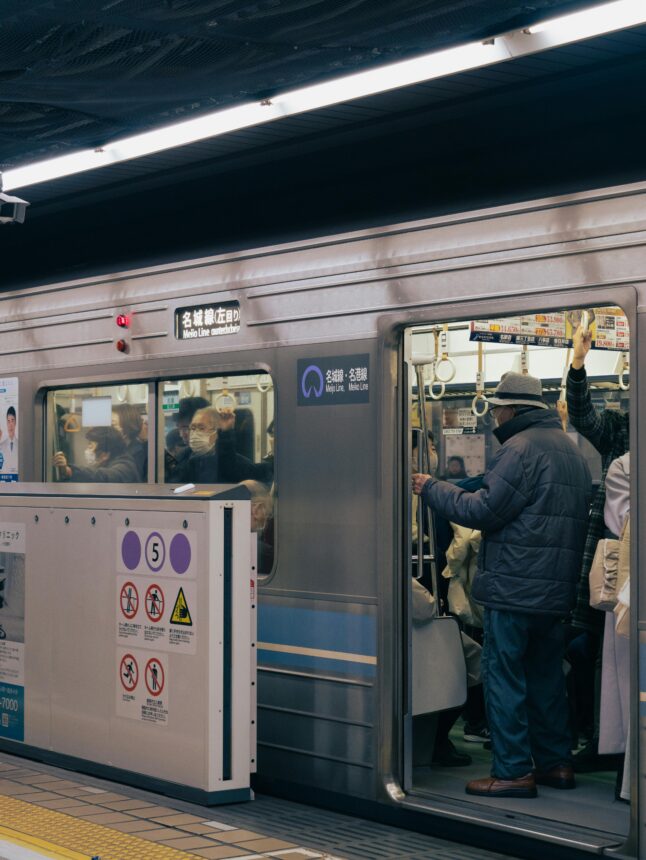
Late at night, stations become scenes of quiet urgency. People rush through ticket gates, check timetables one last time, and squeeze onto the final trains of the day. Among international travellers, you will also notice many businessmen still wearing suits—an unmistakable symbol of Tokyo’s working culture. For now, let’s set aside the discussion of Japan’s “over-overtime” work culture and focus instead on another reality: the lives of those who commute long distances from outside Tokyo’s city centre.
These final trains are not just about transportation; they represent daily routines, sacrifices, and the fine balance between work and home in one of the world’s busiest cities.
What should you do if you miss the last train in Tokyo?
Sounds horrible, right? But think again—you’re in Tokyo. Even if you miss the last train, there are plenty of ways to spend the night until the first trains start running again, usually around 4:30 a.m.
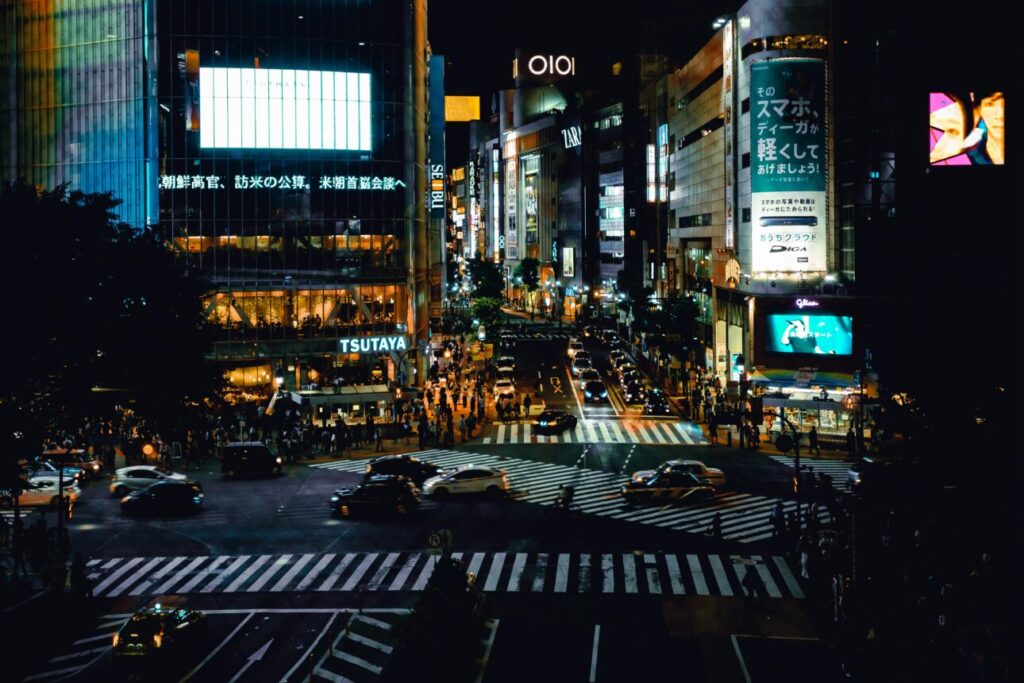
First, there’s the nightlife—nowhere more so than Shibuya. Countless bars and pubs keep the area alive deep into the night and are a big part of what gives the neighbourhood its energy. And while nightlife isn’t for everyone, Tokyo still offers several other ways to comfortably pass the time until morning.
One popular option is karaoke. Many karaoke chains offer special overnight plans specifically designed for people who miss the last train. With discounted late-night rates, you can stay in a private room until around 5 a.m.—often for much less than the cost of taking a taxi home.
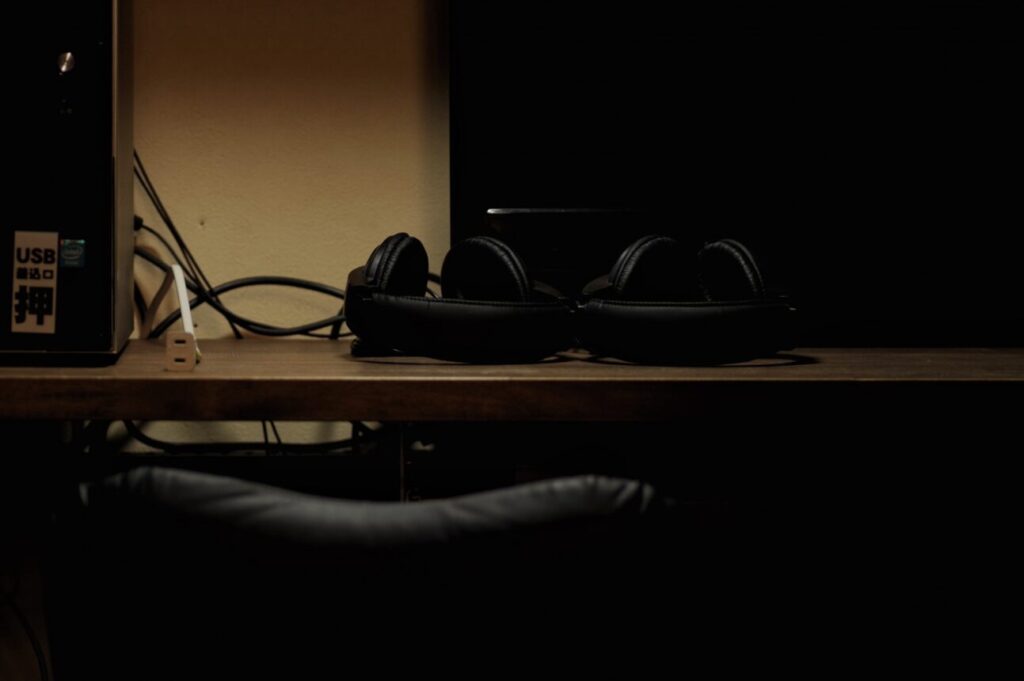
Another uniquely Japanese solution is the manga café (漫画喫茶). Originally created as places where people could wait for trains near stations, manga cafés have evolved into multi-purpose spaces offering computers, internet access, and unlimited manga in private or semi-private booths. They’re affordable, comfortable, and surprisingly practical for killing time. In fact, some people even stay in manga cafés long-term due to Tokyo’s high rent—a phenomenon known as “net café refugees.” But that’s a story for another day.
More recently, there are also alternative ways to get back to your hotel, such as LOOP electric scooters and various rental bicycles. Just be sure to follow local traffic rules and ride responsibly—an accident could easily spoil an otherwise great trip.
How can you avoid missing the last train when travelling in Japan?
Worried about watching the last train disappear right in front of you? Don’t worry—Japan offers plenty of easy tools to help you stay on schedule. In fact, several apps make checking transportation times simple and reliable.
Google Maps is by far the most user-friendly and widely used option. It covers trains, buses, and even flights, and it clearly shows last-train times, transfers, and platform information—making it ideal for travellers.
Locals often use additional tools that are just as powerful, though not always fully available in English. Popular options include “Transfer Information” (乗換案内) by Yahoo! Japan and Jorudan’s Japan Transit Planner (ジョルダン). These apps and websites are extremely accurate and can be very helpful if you’re comfortable navigating some Japanese.
If you prefer a faster and more human touch, simply ask at the station staff or concierge desk. Station attendants are well-trained, incredibly helpful, and used to assisting visitors. They can quickly check routes, departure times, and make sure you’re heading in the right direction.
Japanese people are sometimes jokingly described as “hard-headed” or resistant to change—but in reality, this consistency is exactly why travellers enjoy such high-quality service. Their dedication to clear systems and hospitality ensures that visitors are treated with the same care and warmth, time after time.care services for families in need of assistance, offering peace of mind during challenging times.
START YOUR JOURNEY TODAY
Ready to buy property in Japan? Let Mr. LAND guide you toward making your dream a reality. Browse our listings, book a consultation, or contact our friendly team for more information.
Don’t wait—take the first step toward owning your dream property in Japan today!
Ready to buy property in Japan? Let Mr. LAND guide you toward making your dream a reality. Browse our listings, book a consultation, or contact our friendly team for more information.
Don’t wait—take the first step toward owning your dream property in Japan today!