Many people have been surprised by the recent surge in gold prices. So why has the price of gold been rising? This has led many investors to ask whether Japanese real estate is a safe asset in today’s uncertain global environment.
There are several reasons. For example, amid growing global instability, central banks around the world have been purchasing gold rather than U.S. dollars as reserve assets. In addition, BRICS countries are buying gold to back a common currency used within their group. Another factor may be the large-scale purchases of gold ETFs in the London market. This trend could also reflect a defensive move by individual investors who foresee uncertainty in the stock market due to the potential collapse of inflated AI-related stocks and a possible major economic downturn caused by a softening U.S. labor market.
Although holding physical gold yields no interest or dividends, gold is being bought worldwide precisely because it is considered a safe asset. A safe asset is a tangible asset whose value does not erode and which is itself not affected by inflation.
Is Japanese Real Estate a Safe Asset?
What about real estate, then? Real estate tends to rise in value along with inflation, and when rented out, it generates rental income. That rental income also generally increases in line with inflation. In this sense, real estate can be considered an even better safe asset than gold.
Purchasing residential real estate in the United States can be seen as acquiring a safe asset. However, since the COVID-19 pandemic, prices have risen by an average of around 50%, and with U.S. mortgage interest rates remaining high, buying property has become difficult for many investors.
When considering a real estate purchase, it is essential to take into account factors such as the safety of the country where the property is located, economic stability, the quality of the property, loan interest rates, and maintenance costs.
Why Japanese Real Estate is Considered a Safe Asset
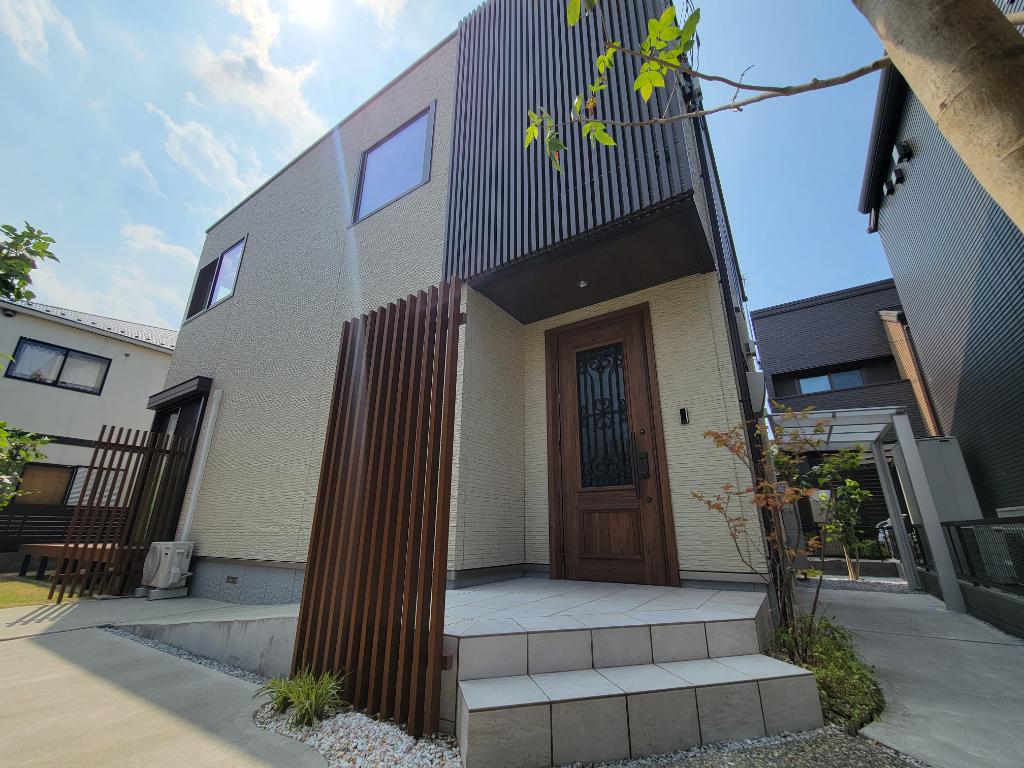
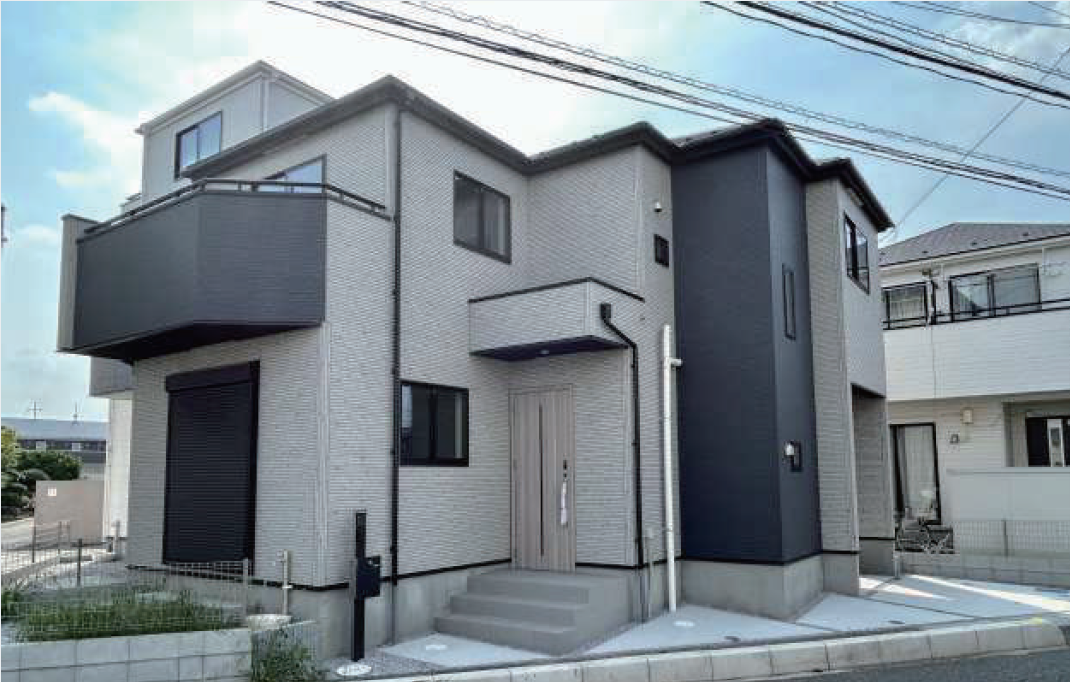
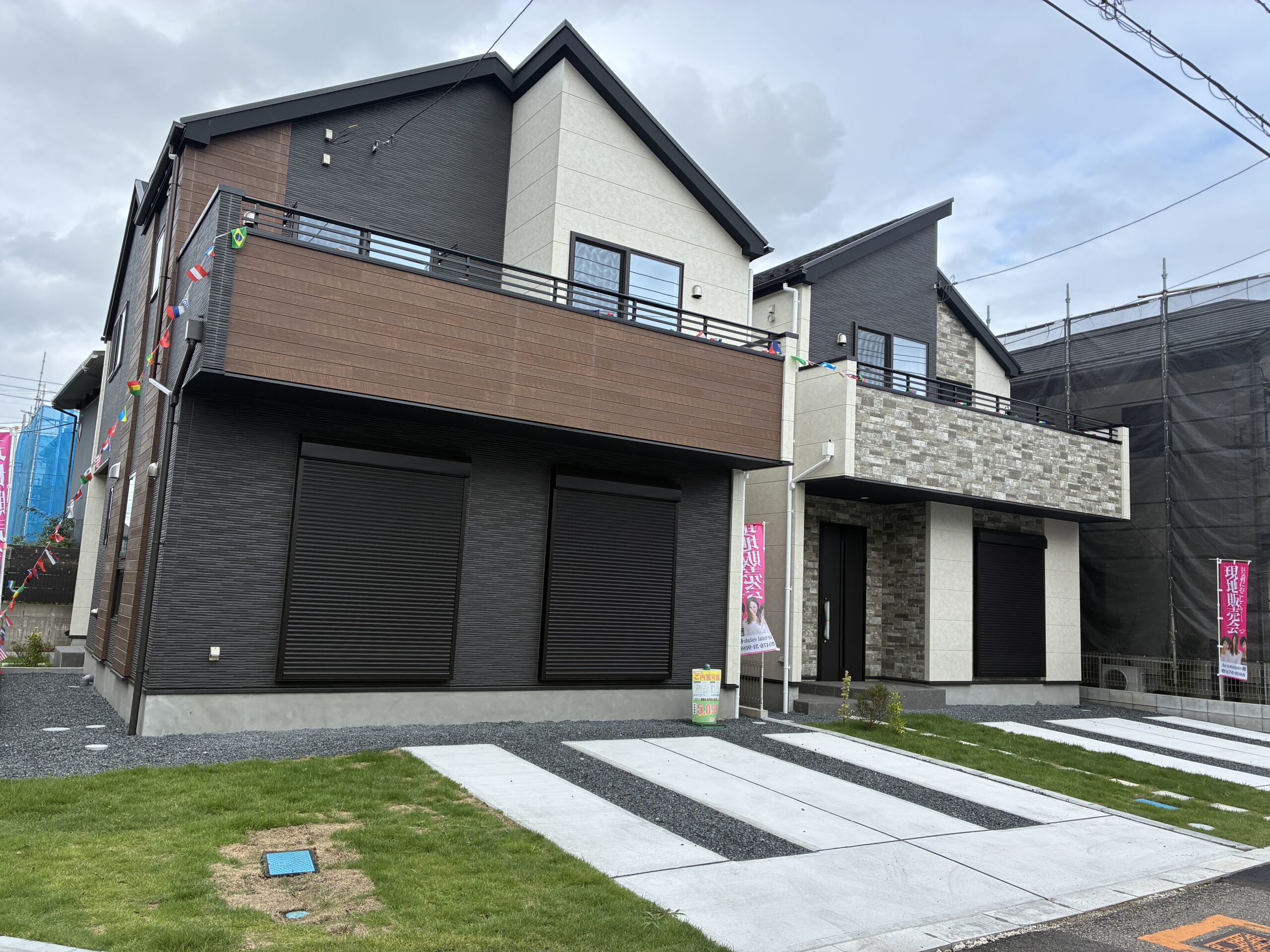
Considering all of these factors, Japan can be regarded as a first-class safe asset. For example, Japan’s public safety is among the best in the world. In terms of economic stability, Japan is a global leader in technology, and both national and household asset holdings rank among the highest worldwide.
Although Japan experiences frequent earthquakes and significant climate variation, newer properties are built with high durability and strong earthquake resistance, and the quality of buildings is well established. When purchasing property using Japanese financial institutions, loan interest rates are typically around 2–3%, which is less than half of those in the United States. Maintenance and remodeling costs are also relatively affordable compared with U.S. market rates, while maintaining a high level of quality.
Even if financing is arranged in the United States, taking advantage of the weak yen can make purchases in Japan relatively inexpensive. Japan is now emerging from nearly 30 years of deflation and experiencing moderate inflation of around 2%, while stock prices continue to rise. Recently, real estate prices in central Tokyo have been increasing, and with the inflow of foreign residents, Tokyo’s population is expected to continue growing gradually.
The expansion of the U.S. defense industry into Japan has also been announced, suggesting that the country is entering a new phase of development. Given today’s unstable global environment, securing safe assets is not a bad idea.
Why not take a closer look at Japanese real estate?
START YOUR JOURNEY TODAY
Ready to buy property in Japan? Let Mr. LAND guide you toward making your dream a reality. Browse our listings, book a consultation, or contact our friendly team for more information.
Don’t wait—take the first step toward owning your dream property in Japan today!
Ready to buy property in Japan? Let Mr. LAND guide you toward making your dream a reality. Browse our listings, book a consultation, or contact our friendly team for more information.
Don’t wait—take the first step toward owning your dream property in Japan today!