Do You Have to Join a Neighborhood Association in Japan? A Guide for Foreign Homeowners
Posted on April 10, 2026
If you are planning to buy property in Japan, you may come across the term “chōnaikai” (町内会) or neighborhood association.
For many foreign homebuyers, this raises immediate questions:
Is joining mandatory?
What happens if I don’t join?
Will it affect my daily life?
Unlike taxes or property registration, neighborhood associations are not always clearly explained during the buying process—but they can have a real impact on how you live in your new home.
In this guide, we’ll break down what neighborhood associations are, whether you need to join, and what foreign buyers should know before purchasing property in Japan.
What Is a Neighborhood Association (Chōnaikai)?
A neighborhood association, known as chōnaikai or jichikai, is a local community organization made up of residents living in the same area.
These associations are common throughout Japan and play an important role in maintaining the local community.
Typical roles include:
Organizing local festivals and events
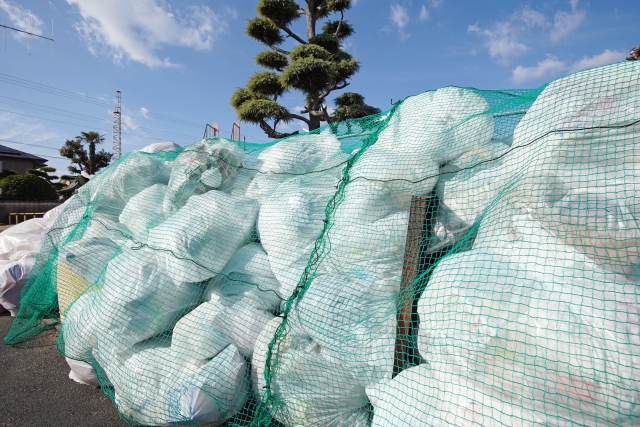
Managing garbage collection rules and schedules
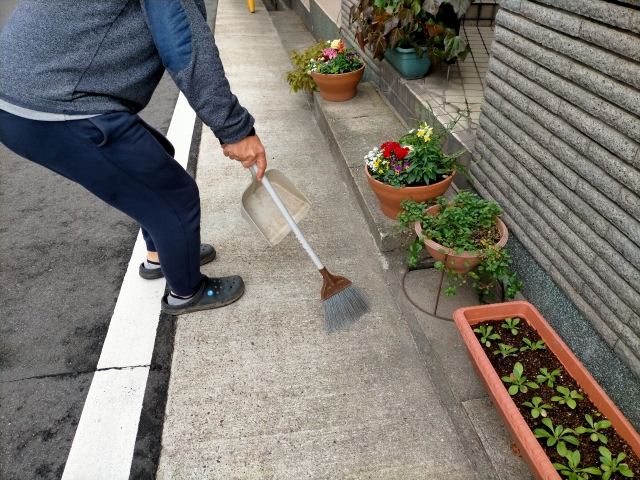
Coordinating neighborhood clean-up activities
Supporting disaster preparedness and emergency response
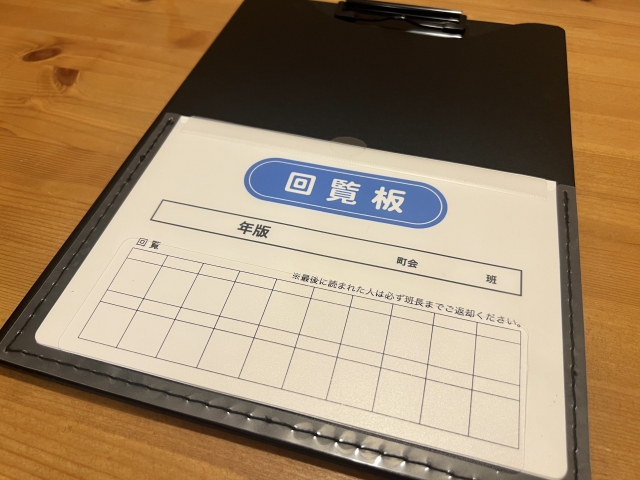
Sharing information through circular notices (kairanban)
Unlike government entities, these associations are run by residents on a voluntary basis.
Is Joining a Neighborhood Association Mandatory?
Short answer: No—joining is not legally required.
Neighborhood associations in Japan are voluntary organizations. There is no law that forces residents to join, and you cannot be legally penalized for refusing.
However, the reality is more nuanced.
Social expectations vs. Legal obligation
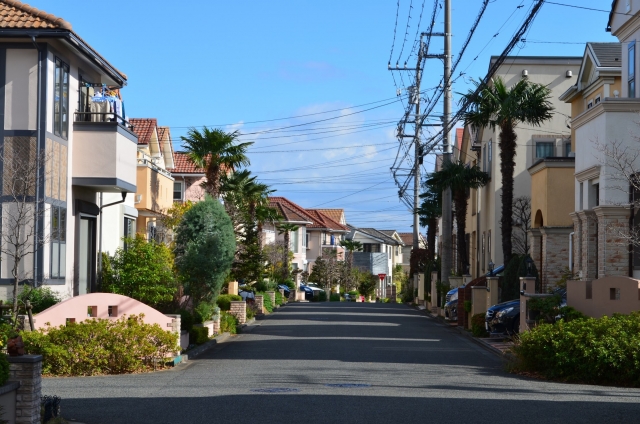
While not mandatory, joining is often considered the “default” in many communities. In some areas, especially residential neighborhoods with detached houses, participation is strongly encouraged.
For foreign buyers, this can sometimes feel confusing: It’s optional on paper- but expected in practice
Understanding this distinction is key. Yes. Foreigners can purchase and own property in Japan with the same rights as Japanese citizens.
What Happens If You Don’t Join?
Choosing not to join a neighborhood association is possible—but it may come with practical inconveniences depending on the area.
1. Garbage Disposal Rules May Be Unclear
Garbage collection in Japan is highly structured and varies by neighborhood.
Many areas require residents to:
Use specific collection points
Follow rotation-based cleaning duties
Adhere to strict sorting rules
Without association membership, you may not receive full information, which can lead to confusion—or even complaints from neighbors.
2. Limited Access to Community Activities
Local festivals, events, and children’s activities are often organized and funded by neighborhood associations.
If you are not a member, participation may be limited and you may feel excluded from community life
3. Disaster Preparedness and Support
Japan is prone to natural disasters such as earthquakes and typhoons.
Neighborhood associations often:
Share emergency information
Organize evacuation plans
Distribute supplies during disasters
Non-members may still receive support, but information flow can be slower or less direct.
4. Fewer Opportunities to Build Local Relationships
For foreign residents, building connections in a new country can be challenging.
Neighborhood associations provide a natural way to meet neighbors as well as a support network in daily life
Without joining, it may take longer to integrate into the community.
Costs and Responsibilities
If you choose to join, what should you expect?
Membership fees
Typically around ¥300–¥1,000 per month
Used for events, maintenance, and community activities
Responsibilities
Occasional participation in clean-up or events
Rotational roles (in some cases)
Receiving and passing along community notices
The level of involvement varies greatly depending on the neighborhood.
Pros and Cons of Joining a Neighborhood Association
Pros
Access to important local information
Easier garbage disposal and rule compliance
Stronger connection with neighbors
Better disaster preparedness and communication
Cons
Monthly fees
Time commitment for activities
Language barrier for non-Japanese speakers
Possible pressure to participate
What Foreign Homebuyers Often Misunderstand
This is where many international buyers run into issues.
1. “Optional” doesn’t always mean “no impact”
Even though membership is voluntary, not joining can affect your day-to-day experience. For example, there is the possibility that you may not use the garbage collection point that is organized by the chonaikai. If you can’t throw out your garbage there, what are you going to do?
2. Rules vary significantly by location
There is no nationwide standard. Some neighborhoods are very relaxed while others are highly structured.
This is especially true when comparing Urban vs. rural areas and apartments vs. detached houses.
3. It is rarely explained during purchase
Neighborhood associations are not always clearly outlined in property listings or contracts.
As a result, many buyers only learn about them after moving in.
How It Affects Property Ownership
Neighborhood associations don’t directly affect property ownership rights—but they can influence your living experience.
For example:
Certain areas may have established community norms
Some properties may be in neighborhoods with active participation
Detached houses are more likely to be involved than apartments
Understanding these factors before purchasing can help you avoid surprises.
How We Help Foreign Buyers Navigate This
For overseas buyers, understanding local community expectations is just as important as understanding the property itself.
Our team regularly supports international clients by:
Explaining neighborhood-specific rules before purchase
Confirming whether there are community obligations
Providing guidance on local practices after move-in
Because these details vary from one property to another, having local insight can make a significant difference in your overall experience.
Final Thoughts
So, do you have to join a neighborhood association in Japan?
No—but in many cases, it’s worth serious consideration.
For foreign homebuyers, neighborhood associations are less about obligation and more about:
Access to information
Community integration
Smooth day-to-day living
Understanding how they work—and what to expect—can help you make a more informed decision when buying property in Japan.
FAQ
Q: Can foreigners join neighborhood associations in Japan?
Yes. Most associations welcome foreign residents, although language may sometimes be a barrier.
Q: Do apartment or condo residents need to join?
Often not. Many apartments have separate management systems, and participation may be less common.
Q: Can I refuse to join?
Yes, but it’s important to understand the potential impact on your daily life and relationships with neighbors.
Start with a Personalized Consultation If you’re considering buying property in Japan, the first step is understanding what’s possible based on your goals, budget, and residency status. We specialize in supporting foreign buyers both overseas and in Japan, and provide end-to-end guidance in English. Investment properties with rental income, Holiday homes and second residences, Long-term relocation planning 👉 Contact us for a consultation to explore suitable properties and understand the full purchase process. 👉 Download our eBook: How to Buy a Home in Japan (free PDF)
START YOUR JOURNEY TODAY
Ready to buy property in Japan? Let Mr. LAND guide you toward making your dream a reality. Browse our listings, book a consultation, or contact our friendly team for more information.
Don’t wait—take the first step toward owning your dream property in Japan today!
Ready to buy property in Japan? Let Mr. LAND guide you toward making your dream a reality. Browse our listings, book a consultation, or contact our friendly team for more information.
Don’t wait—take the first step toward owning your dream property in Japan today!