Home Inspections in Japan: What International Buyers Need to Know
Posted on February 21, 2026
Buying property in Japan is an exciting step — whether you are purchasing a holiday home, an investment property, or a permanent residence. One question many international buyers ask is whether they should get a home inspection in Japan before completing the purchase.
In this article, we explain how home inspections in Japan work, how they differ from other countries, what they include, and whether you should consider one.
What Are Home Inspections in Japan?
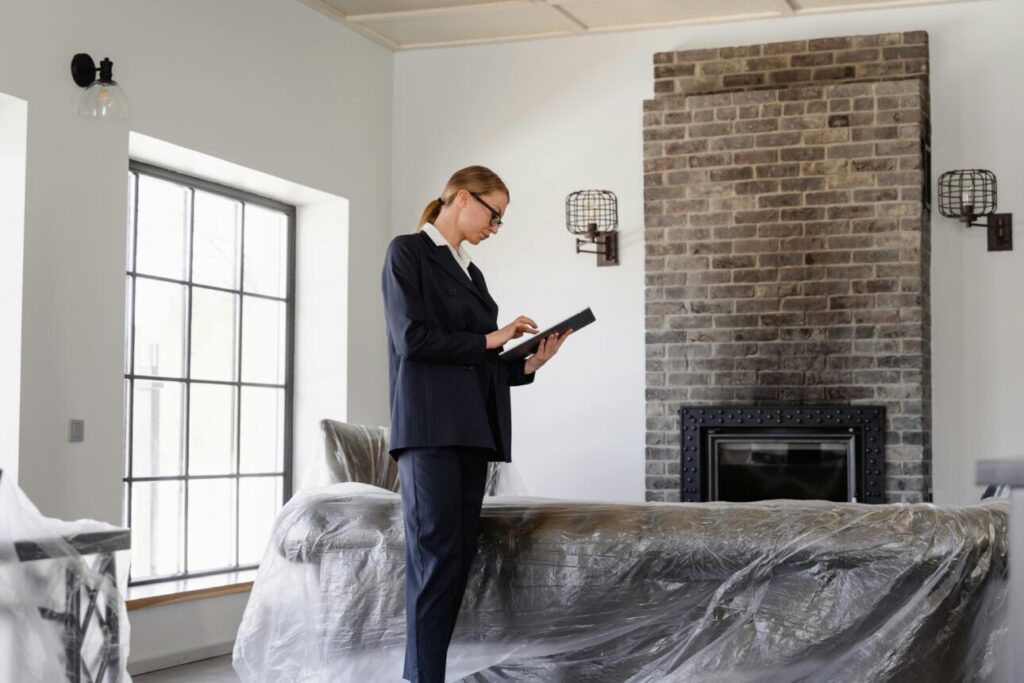
A home inspection in Japan (ホームインスペクション), formally known as a Building Condition Survey, is a professional assessment of a property’s physical condition conducted by a qualified inspector.
Since a legal revision in April 2018, real estate companies acting as intermediaries in the sale of existing (pre-owned) homes are required to explain the home inspection system to buyers and sellers and to arrange an inspection if requested.
However, the inspection itself is not automatically conducted as part of every transaction. It is typically performed only if one of the parties requests it and the seller agrees to allow access.
In practice, whether an inspection is carried out depends on the property, the parties involved, and the policies of the real estate company handling the transaction.
A home inspection focuses on identifying visible defects, deterioration, and potential structural concerns, and a written report is provided after the evaluation.
Are Home Inspections in Japan Different from Other Countries?
Yes — there are several important differences.
In countries such as the United States, Australia, or parts of Europe, inspections are a standard and often expected part of the purchase process. Buyers frequently use inspection results to renegotiate price or request repairs.
In Japan:
Inspections are optional.
Many Japanese buyers do not request one.
Sellers are not always expecting heavy renegotiation based on inspection results.
The scope is typically more limited and non-invasive.
Additionally, Japan does not have the same disclosure culture seen in some Western countries. While sellers must disclose known defects, the approach to due diligence is often more buyer-driven.
Finally, and this is crucial, home inspections must be allowed by the Seller. Just because a Buyer wishes to have an inspection done does not mean that the Seller will necessarily allow it. They might think that it is too intrusive or too bothersome.
For international buyers, understanding this difference is essential in setting realistic expectations.
What Is Typically Included in a Japanese Home Inspection?
While the exact scope depends on the inspector and property type, a standard inspection generally includes:
It is important to note that inspections are usually non-invasive. Inspectors do not open walls or dismantle structures. Cosmetic issues are typically not the focus.
Optional add-on inspections may include:
Detailed termite inspection
Seismic evaluation
Equipment-specific checks
What Are the Merits of Getting a Home Inspection?
For international buyers especially, a home inspection can provide significant benefits:
Peace of mind
Buying from overseas can feel uncertain. An inspection provides an independent assessment of the property’s condition.
Better understanding of maintenance costs
Older homes in Japan may require ongoing upkeep. An inspection helps you plan realistically.
Risk reduction
While not a guarantee, inspections can uncover major visible issues before final commitment.
Additional confidence for investment buyers
Understanding structural and water-related risks is particularly important when purchasing rental property.
What Are the Demerits or Limitations?
It is equally important to understand the limitations.
Inspections are non-invasive
Hidden issues behind walls or under flooring may not be detected.
They do not guarantee future performance
An inspection reflects the condition on the day of review.
They may not significantly affect price negotiations
In Japan, sellers may not always agree to large price reductions based on inspection findings and prefer to sell their home “as is” (in its current condition).
Cost vs. benefit for new properties
For very new properties or recently renovated units, buyers may feel the benefit of an inspection is limited.
Language Limitations
Most housing inspection companies operate in Japanese only and do not provide English language service. The inspection report also is generally only in Japanese. There are some companies that offer English language services but not all.
What are the risks?
While a home inspection can provide valuable reassurance, buyers should also be aware of the potential risks.
In Japan, inspection costs are generally borne by the buyer. In addition, the inspection process requires time — from scheduling the appointment to receiving and reviewing the final report.
During this period, the seller is typically still free to consider other offers. If another buyer submits an attractive offer while you are waiting for inspection results, there is a real possibility that the seller may proceed with that offer instead. In such cases, you may incur the inspection cost and still lose the opportunity to purchase the property.
For this reason, timing and coordination are important.
Being realistic about what an inspection can — and cannot — achieve is essential when deciding whether to proceed.
When Should You Get a Home Inspection?
In Japan, a home inspection can typically be arranged at one of the following stages:
Before submitting an offer, or
After the seller has accepted your offer but before the final contract is concluded
The appropriate timing depends on the property, market conditions, and your negotiation strategy.
Your real estate agent will coordinate with the seller to schedule access to the property and arrange the inspection.
However, it is important to note that a home inspection can only proceed with the seller’s consent. The seller must agree to allow the inspection, and scheduling will depend on their availability and approval.
How Do You Arrange a Home Inspection in Japan?
Home inspections are typically arranged through your real estate agent.
The process usually involves:
Selecting a qualified inspector
Confirming scope and fees
Coordinating access with the seller
Scheduling the inspection date
For international buyers, language can be a key consideration. Some inspectors provide English-language reports, but not all.
What Is the Typical Flow of a Home Inspection?
The general process looks like this:
Request inspection through your agent
Schedule appointment with seller’s approval
On-site inspection (typically 2–3 hours)
Written report issued (often within about 1 – 2 weeks)
Review and discussion with your agent
Your agent can help interpret the results and advise on whether further action is necessary.
How Much Does a Home Inspection Cost in Japan?
Costs vary depending on property type, size, and location.
As a general guideline:
Condominium units: approximately ¥50,000–¥80,000
Detached houses: approximately ¥60,000–¥120,000
Additional options (e.g., seismic inspection and termite inspection) may incur extra fees
Prices also may vary depending on region and inspector.
Compared to the overall property purchase price, many buyers view this as a relatively small investment for additional assurance.
<Method of Payment>
Payment for home inspections vary by company. Some accept credit cards while others require you to pay via bank transfer.
Are Home Inspections Part of the Home Purchase Process in Japan?
Unlike some Western countries, inspections are not automatically built into the standard transaction flow in Japan.
However, they are becoming more common — particularly:
For older detached houses
Among foreign buyers
Ultimately, whether to conduct an inspection depends on the Seller, property condition, your risk tolerance, and your long-term plans.
Do You Need a Home Inspection in Japan? Do They Affect Negotiations?
There is no universal answer.
You may strongly consider an inspection if:
The property is older
You are buying from overseas
You are unfamiliar with Japanese construction standards
You plan to hold the property long-term
In terms of negotiations, inspection findings may support discussion if significant issues are discovered. However, price adjustments are not guaranteed and depend heavily on the seller’s expectations and the local market conditions.
Furthermore, if a Seller is selling their property “as is”, they may not want to – nor are they under any obligation to – repair or renovate any issues that have been found during an inspection.
Understanding this cultural and transactional context is important.
Our Advice for International Buyers
From our experience assisting overseas clients purchasing property in Japan, home inspections are often advisable for older detached houses — particularly if peace of mind is important to you.
However, buyers should carefully consider the associated risks. Because inspection costs are typically borne by the buyer and the seller’s consent is required, there is a possibility that another offer may be accepted during the inspection period. In such cases, you may incur the inspection expense without ultimately securing the property.
Most importantly, a home inspection should be viewed as a tool for informed decision-making — not as a mechanism for aggressive negotiation.
Every purchase scenario is different. The decision to proceed with an inspection should be based on your objectives, risk tolerance, timeline, and the specific characteristics of the property in question.
Final Thoughts
While home inspections are not automatically conducted in every transaction in Japan, they can provide meaningful reassurance and clarity — particularly for international buyers navigating an unfamiliar system.
Whether or not to proceed with an inspection depends on the property, your objectives, and your comfort with risk. Making an informed decision at the right stage of the transaction is key.
If you are considering purchasing property in Japan and would like guidance on whether a home inspection is appropriate for your circumstances, our Global Sales team would be pleased to assist. We regularly support overseas clients with inspection coordination, report review, and clear bilingual explanations throughout the purchase process.
Please feel free to contact us for a consultation.seeking a home in Tokyo, consider the irresistible charm of Koto Ward.
START YOUR JOURNEY TODAY
Ready to buy property in Japan? Let Mr. LAND guide you toward making your dream a reality. Browse our listings, book a consultation, or contact our friendly team for more information.
Don’t wait—take the first step toward owning your dream property in Japan today!
Ready to buy property in Japan? Let Mr. LAND guide you toward making your dream a reality. Browse our listings, book a consultation, or contact our friendly team for more information.
Don’t wait—take the first step toward owning your dream property in Japan today!