Japan’s Condominium Law Is Changing in 2026: What Foreign Property Owners Need to Know
Posted on December 23, 2025
From April 2026, major changes to Japan’s condominium-related laws — including the Sectional Ownership Law — will come into effect. These reforms are designed to address a growing national issue: aging condominium buildings that are difficult to manage, repair, or rebuild due to inactive or unreachable owners.
If you are a foreign or non-resident owner of Japanese real estate, these changes are important and may directly affect how your property is managed, how decisions are made, and how much influence you have as an owner.
Below, we explain what is changing — and what it means for you.
Why Is Japan Changing These Laws?
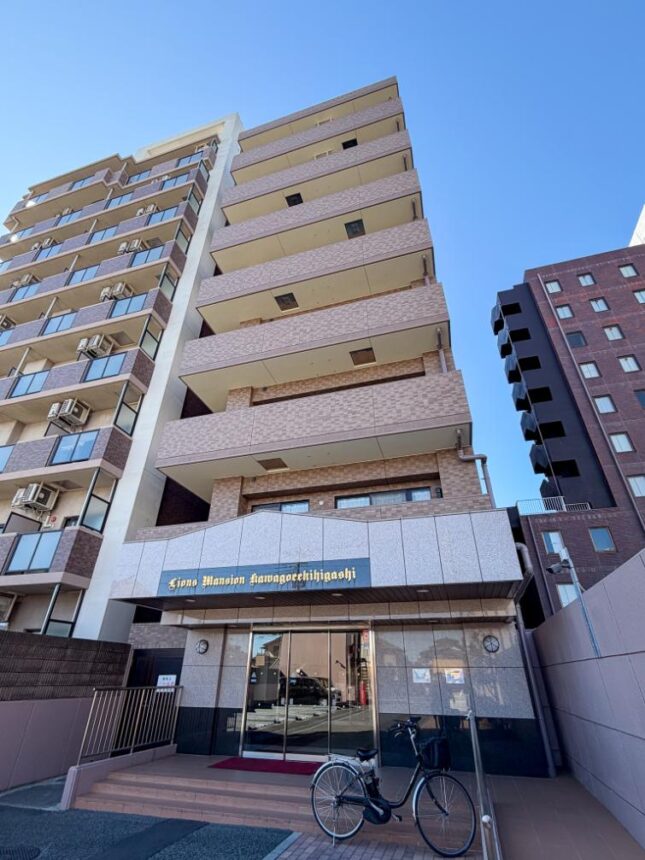
Many condominiums in Japan are now over 40–50 years old. At the same time, a growing number of owners are:
Elderly
Living overseas
Deceased or uncontactable
Not participating in management decisions
As a result, necessary repairs, safety upgrades, and even rebuilding plans have been delayed for years. The new laws aim to ensure that condominium buildings remain safe, functional, and valuable, even when not all owners are actively involved.
1. Decisions Can Be Made More Easily — Even Without All Owners
What’s changing
Previously, many management and repair decisions required approval from a majority of all unit owners. From 2026, many decisions will be valid if approved by a majority of:
Owners who attend the meeting, or
Owners represented by proxy
In addition, owners officially recognized by a court as “unreachable” may be excluded from vote counts altogether.
What this means for foreign owners
This change helps prevent buildings from becoming neglected — but it also means that decisions may be made without your input if you do not participate.
If you do not attend meetings or appoint a proxy, you may lose your ability to influence important decisions such as:
Large-scale repairs
Major renovations
Management policy changes
2. Stronger Oversight of Management Companies
What’s changing
Management companies must now clearly disclose potential conflicts of interest, such as when they recommend contractors connected to their own group.
Why this matters
For overseas owners who rely on third-party management:
Transparency improves
The risk of inflated repair costs is reduced
Owners gain clearer insight into how funds are being used
This is a positive step for foreign investors and holiday-home owners who cannot monitor day-to-day management in Japan.
3. Unmanaged or “Absent” Units Can Be Court-Supervised
What’s changing
If a unit is poorly managed, or if the owner cannot be contacted, courts may appoint a third-party manager to oversee that unit or shared areas.
What foreign owners should know
This system is designed to protect buildings — not to punish owners. However, if an owner:
Does not update contact details
Ignores official notices
Fails to pay management fees
Leaves a unit unattended for long periods
Their control over the property may be limited, and management costs can still be charged back to them.
Staying reachable and compliant is now more important than ever.
4. Easier Paths to Rebuilding, Selling, or Redeveloping Old Buildings
What’s changing
The law now formally recognizes multiple ways to “regenerate” aging condominiums, including:
Full rebuilding
Large-scale renovation
Selling the entire building and land together
Demolition and liquidation
These options can be approved through simplified majority voting.
Impact on foreign owners
This can be:
An opportunity to unlock value from older properties
A risk if you are unprepared for:
Capital contributions
Buyout decisions
Forced sale scenarios
Foreign owners should carefully monitor discussions around redevelopment, as timelines and financial implications can move quickly once consensus forms.
5. Increased Involvement by Local Governments
Local authorities now have greater power to:
Issue warnings and recommendations
Encourage corrective action for unsafe buildings
Work with certified private organizations to support management
In short, condominium ownership in Japan is increasingly viewed as part of public safety and urban planning, not just private ownership.
What Foreign Owners Should Do Now
To protect your investment and maintain control over your property, we strongly recommend:
Appointing a local representative or proxy
Ensuring you receive and understand meeting materials
Participating in votes (directly or by proxy)
Keeping your contact information up to date
Maintaining proper management and fee payments
Passive ownership is becoming riskier under the new system.
Final Thoughts
Japan’s 2026 condominium law reforms are intended to protect property value and safety, but they also reward engaged owners and disadvantage those who remain silent or unreachable.
For foreign owners, the key message is simple:
Stay informed. Stay represented. Stay involved.
If you own property in Japan but live overseas, having reliable local support is no longer just convenient — it is essential.
If you have questions about how these changes affect your specific property, or if you need assistance with representation, management, or proxy services in Japan, feel free to contact us.
START YOUR JOURNEY TODAY
Ready to buy property in Japan? Let Mr. LAND guide you toward making your dream a reality. Browse our listings, book a consultation, or contact our friendly team for more information.
Don’t wait—take the first step toward owning your dream property in Japan today!
Ready to buy property in Japan? Let Mr. LAND guide you toward making your dream a reality. Browse our listings, book a consultation, or contact our friendly team for more information.
Don’t wait—take the first step toward owning your dream property in Japan today!