CONNECTING
YOU TO THE
RIGHT PROPERTY
4F Nihonkoudoukai Building
3-1-6 Nishikanda, Chiyoda-ku,
Tokyo, Japan 101-0065

Telephone
Outside Japan & Global Division
Domestic Sales Division

Fax
03-6261-4098

4F Nihonkoudoukai Building
3-1-6 Nishikanda, Chiyoda-ku,
Tokyo, Japan 101-0065
Telephone
Outside Japan & Global Division
Domestic Sales Division
Fax
03-6261-4098

4F Nihonkoudoukai Building
3-1-6 Nishikanda, Chiyoda-ku,
Tokyo, Japan 101-0065
Telephone
Outside Japan & Global Division
Domestic Sales Division
Fax
03-6261-4098

Opening a bank account in Japan can be surprisingly challenging, especially for foreigners, non-residents, and overseas property investors. While foreign nationals can legally purchase real estate in Japan without restrictions, managing rental income, taxes, and expenses often requires access to a Japanese bank account.
So, can foreigners open a bank account in Japan? The answer is yes—but the requirements depend largely on your residency status.
Foreign residents living in Japan can generally open a Japanese bank account if they meet certain requirements. Most banks require:
Depending on the bank, additional documents such as a certificate of residence or a personal seal (inkan) may also be required.
If you have lived in Japan for more than six months and are employed by a company, opening a bank account is usually relatively straightforward.
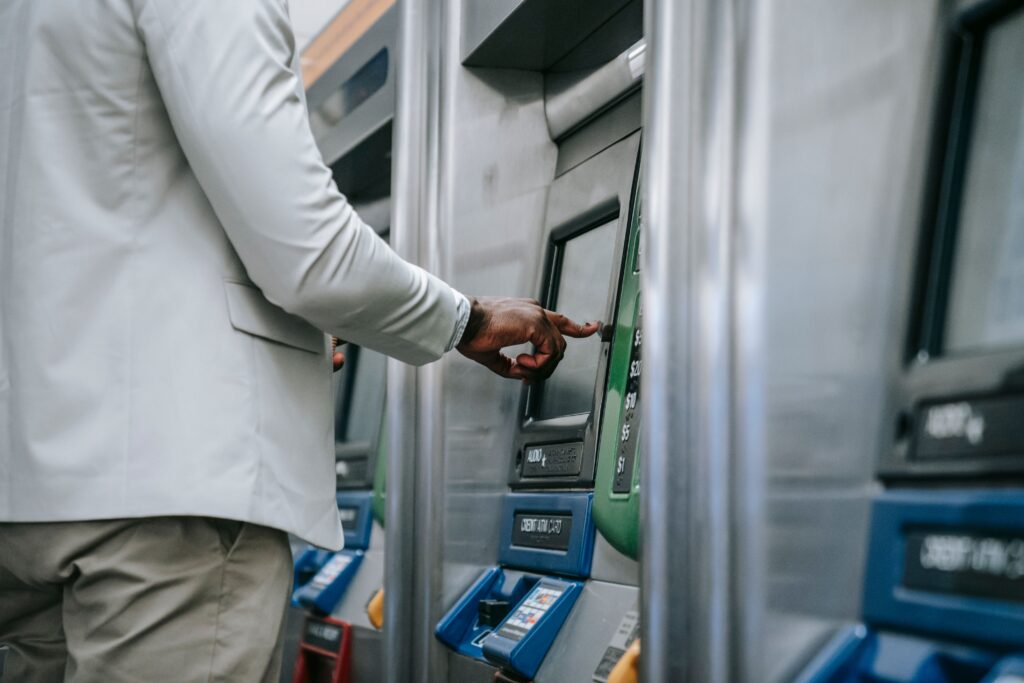
In recent decades, banks around the world have tightened regulations to combat money laundering and improve compliance with international financial standards. As a result, both Japanese and foreign financial institutions have become increasingly strict when opening new accounts.
Today, most banks in Japan do not allow non-residents to maintain ordinary personal accounts. Similar restrictions exist in many other countries, including the United States.
For non-residents, opening and maintaining a personal bank account in Japan can be extremely difficult.
Even if you successfully open an account while living in Japan, your bank may require you to close it once you leave the country and become a non-resident.
Some institutions, including Japan Post Bank and Seven Bank, may offer services that are more flexible in certain situations, but options remain limited.
Foreigners can purchase real estate in Japan without residency and without significant legal restrictions. However, not having a Japanese bank account creates practical problems, including:
For overseas investors, banking often becomes one of the biggest challenges after purchasing property.
One alternative is to establish a Japanese corporation.
Corporate accounts are generally easier to maintain than personal accounts for non-residents. However, major Japanese banks conduct strict screenings and require extensive documentation.
Online banks and internet-based financial institutions may offer simpler procedures and faster applications.
These difficulties are not limited to foreigners. Japanese citizens living overseas—or returning to Japan after many years abroad—often face similar obstacles when attempting to open a bank account.
In fact, some returning Japanese nationals have described themselves as “bank account refugees” due to increasingly strict regulations.
Whether you are an expatriate, a foreign resident, an overseas property investor, or a Japanese citizen returning home, understanding Japan’s banking requirements is essential.
Because regulations continue to evolve, working with a trusted partner who understands the process can save time, reduce frustration, and help ensure that your financial arrangements support your long-term goals in Japan.
Can foreigners open a bank account in Japan?
Yes. Foreign residents with the required documentation can generally open a bank account in Japan.
Can non-residents open a bank account in Japan?
In most cases, non-residents face significant restrictions, and many banks do not offer ordinary personal accounts to non-residents.
Can foreigners buy property in Japan without a bank account?
Yes. Foreigners can purchase Japanese real estate without residency and without a bank account.
Can overseas Japanese citizens open a bank account in Japan?
Yes, but they may encounter difficulties similar to those faced by foreign residents and non-residents.