CONNECTING
YOU TO THE
RIGHT PROPERTY
4F Nihonkoudoukai Building
3-1-6 Nishikanda, Chiyoda-ku,
Tokyo, Japan 101-0065

Telephone
Outside Japan & Global Division
Domestic Sales Division

Fax
03-6261-4098

4F Nihonkoudoukai Building
3-1-6 Nishikanda, Chiyoda-ku,
Tokyo, Japan 101-0065
Telephone
Outside Japan & Global Division
Domestic Sales Division
Fax
03-6261-4098

4F Nihonkoudoukai Building
3-1-6 Nishikanda, Chiyoda-ku,
Tokyo, Japan 101-0065
Telephone
Outside Japan & Global Division
Domestic Sales Division
Fax
03-6261-4098

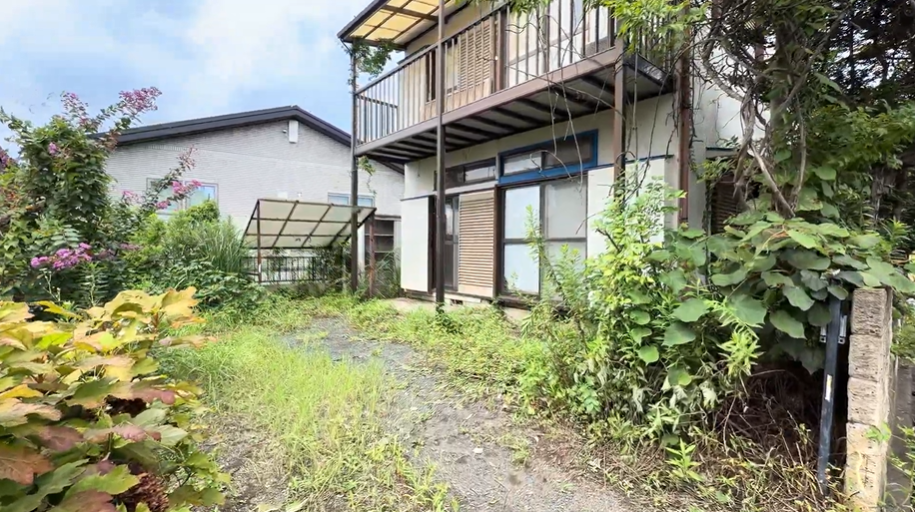
While browsing Google, YouTube, or social media, you may have come across posts advertising akiya as “Japan’s almost free houses” or homes that are practically being given away.
Some listings really do appear at astonishingly low prices. At first glance, they can look like golden opportunities that are simply too good to miss. A quiet house in the Japanese countryside for a fraction of what a similar property might cost back home can easily sound like a dream.
However, the purchase price tells only part of the story. An akiya may require significant renovation and ongoing maintenance, while its location can also affect transportation, access to essential services, and future resale possibilities.
But is buying an akiya in Japan really the bargain it appears to be?
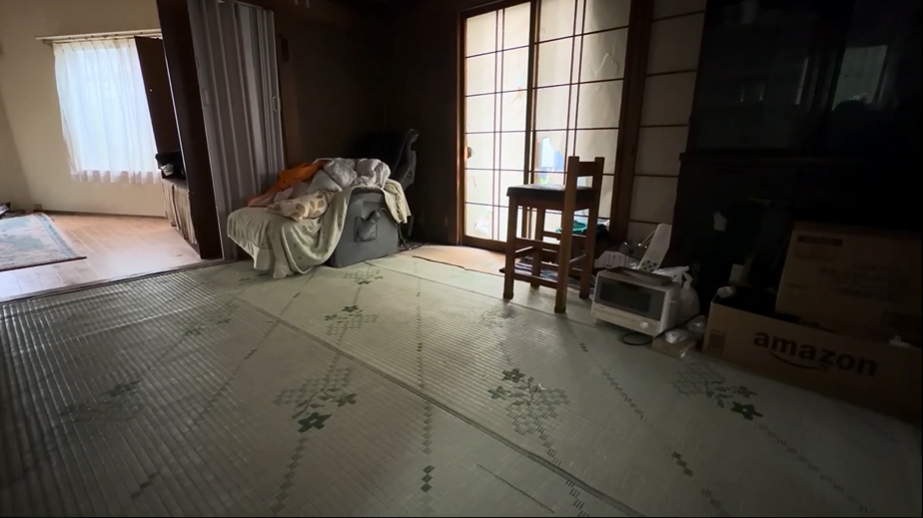
Before considering buying an akiya, it is important to understand what the term actually means. When someone types “akiya” into a search engine, many of the pictures and videos they encounter show old-looking houses, often with a traditional appearance.
Based on these search results, it is easy to assume that an akiya is simply an old or abandoned Japanese house. However, akiya is not an architectural category. It is a term based on the occupancy status of a property.
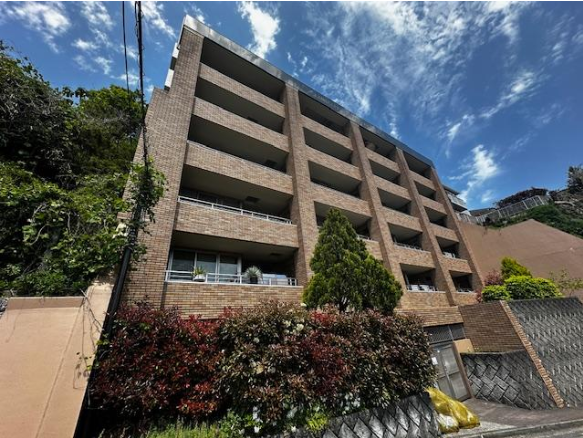
The Japanese word akiya (空き家) literally means “empty house” and generally refers to a vacant home that is no longer regularly occupied. An akiya is not necessarily derelict, extremely old, or built in a traditional style. The term can apply to detached houses as well as vacant condominium units.
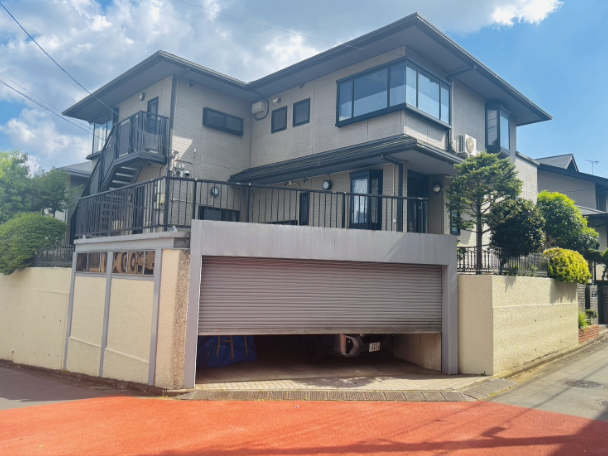
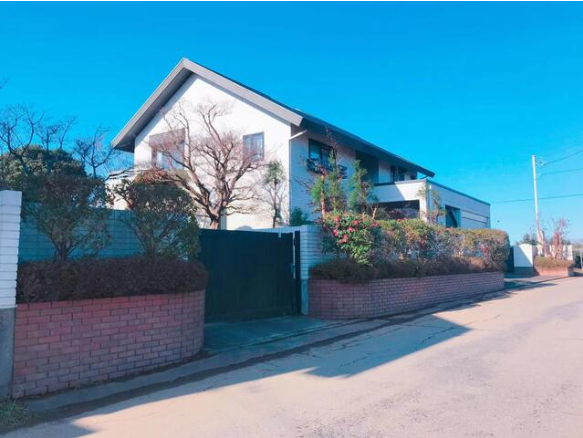
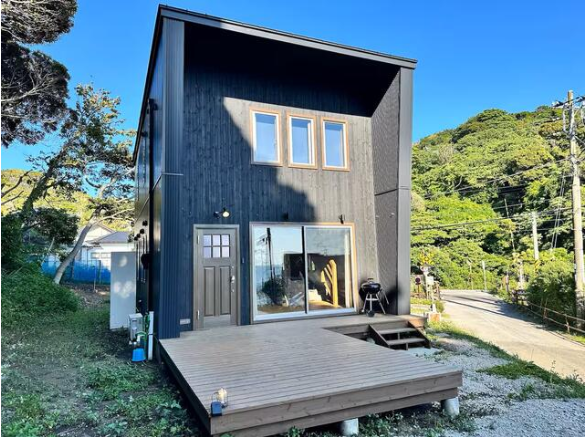
Although akiya are often associated with the countryside, they can also be found in cities and suburban areas. Some are traditional wooden houses, while others are relatively modern properties that have simply remained unoccupied.
The growing number of vacant homes in Japan is closely connected to the country’s declining and aging population. Many younger people move to larger cities for education and employment, leaving family properties behind in smaller towns and rural communities. Newly built homes are also often preferred over older properties, making some existing houses more difficult to sell or reuse.
According to Japan’s Statistics Bureau, approximately 8.49 million vacant homes were recorded in 2018. By 2023, that number had risen to around 9 million, representing 13.8% of all dwellings across the country.
That large number, however, does not mean there are nine million inexpensive homes simply waiting for buyers. Vacant properties vary enormously in condition, location, ownership circumstances, marketability, and suitability for reuse.
And that is where the real question begins.
Why Are Some Akiya So Cheap?
Property value in Japan, as elsewhere, is heavily influenced by location, demand, land value, building condition, and future marketability.
An inexpensive akiya may be located in an area where the population is shrinking and demand for housing is limited. It may also be far from public transportation, shops, medical facilities, or other everyday services. In other cases, the low price may reflect the physical condition of the building itself.
In other words, a ¥3 million house is not necessarily the same opportunity as a ¥30 million property being offered at a remarkable discount.
Sometimes, the low price simply reflects the reality of the property and its location.
That does not automatically make it a bad purchase. However, buyers should ask a different question:
Not simply, “How cheap is this house?” but “What will it actually cost to make this property work for me?”
The Real Cost Behind a Cheap Akiya
The low purchase price of an akiya can certainly be attractive, but it rarely represents the full cost of the project. A house that has remained vacant for several years may require extensive work before it becomes safe, comfortable, and suitable for everyday life.
One of the first things to consider is the condition of the building itself. Older properties may suffer from damaged roofs, weakened foundations, mold, termites, or outdated electrical and plumbing systems.
Homes built under older seismic standards may also require structural reinforcement or other upgrades. For this reason, a professional inspection can be essential before making a purchase decision.
Utilities and access should also be carefully checked. Some rural properties rely on wells, septic tanks, or propane gas rather than public networks. Internet coverage may be limited in certain areas, while narrow or poorly maintained roads can make access more difficult, particularly for larger vehicles or during winter.
Renovation costs, maintenance, taxes, and utility work can add considerably to the initial purchase price.
Buyers should therefore look beyond the amount shown on the listing and consider the total time, money, and effort required to make the property suitable for their plans.
A low-priced akiya can still become a rewarding home. The important point is to approach the purchase as a carefully considered project rather than assuming that a low listing price automatically means a bargain.
Buying an akiya is not only about finding an affordable property. It also means choosing the area, the surrounding environment, and the lifestyle that comes with it.
Many vacant homes are located in rural or sparsely populated areas, sometimes far from train stations, supermarkets, hospitals, and other essential services. In some locations, owning a car may therefore become a necessity rather than simply a convenience.
For this reason, buyers should try to imagine what everyday life would actually look like throughout the year, rather than judging an area only from a weekend visit or a short holiday.
Grocery shopping, medical appointments, deliveries, commuting, and access to public transportation can all feel very different depending on the location.
The local climate should also be taken into account. Heavy snowfall, humidity, strong rainfall, or hot summers can affect both daily life and the amount of maintenance a property requires.
Ultimately, the surrounding area should be considered just as carefully as the house itself. A peaceful countryside property may be exactly what some buyers are looking for, while others may discover that being closer to transportation, shops, and other services better suits their long-term plans.
Yes. Foreign nationals can purchase real estate in Japan, including vacant homes. Property ownership is generally possible regardless of nationality or residency status.
However, buying property and obtaining permission to live in Japan are separate matters. Owning a home does not, by itself, grant Japanese residency or a visa.
For overseas buyers, there can also be practical challenges beyond the purchase itself. Communication with sellers, contractors, and local organizations may take place primarily in Japanese. Financing options can also be more limited for non-residents, while maintaining or renovating a property from overseas requires additional planning.
These considerations apply to Japanese property purchases more broadly, but they can become particularly important when purchasing an older or more remote property.
An akiya can make sense for someone who:
For the right buyer, restoring an older vacant home can be an extremely rewarding project.
However, if your main objective is simply to own an affordable home in Japan, an akiya is not your only option.
Older resale homes, suburban properties, and homes in well-connected regional locations can sometimes offer a better balance between purchase price, condition, convenience, and long-term usability.
That is why it can be useful to compare an akiya with the wider Japanese property market before deciding which route makes the most sense.