CONNECTING
YOU TO THE
RIGHT PROPERTY
4F Nihonkoudoukai Building
3-1-6 Nishikanda, Chiyoda-ku,
Tokyo, Japan 101-0065

Telephone
Outside Japan & Global Division
Domestic Sales Division

Fax
03-6261-4098

4F Nihonkoudoukai Building
3-1-6 Nishikanda, Chiyoda-ku,
Tokyo, Japan 101-0065
Telephone
Outside Japan & Global Division
Domestic Sales Division
Fax
03-6261-4098

4F Nihonkoudoukai Building
3-1-6 Nishikanda, Chiyoda-ku,
Tokyo, Japan 101-0065
Telephone
Outside Japan & Global Division
Domestic Sales Division
Fax
03-6261-4098

Choosing a property is not only about price, size, or location. What makes a home desirable can vary greatly from one country to another.
Having lived in both Japan and California, I noticed several differences in the way people evaluate residential and investment properties. Sunlight, access to public transportation, surrounding greenery, views, and convenience can all carry very different levels of importance depending on where you are.
Understanding these differences can be especially useful for international buyers considering real estate in Japan. A property that receives less attention from Japanese buyers may offer exactly what an overseas buyer is looking for.
When I first moved to California, I was surprised by its residential neighborhoods. Upscale homes are often located far from major roads and freeways, along winding streets or quiet cul-de-sacs.
Despite California’s car-oriented lifestyle, these homes initially seemed inconvenient to reach. However, the neighborhoods were often quiet and surrounded by greenery.
Another thing that caught me off guard was the number of speed bumps built into the roads. Driving over them too quickly can almost make the car feel as though it is lifting off the ground. I later realized that they were there as a safety measure, but at first, they felt quite unusual to me.
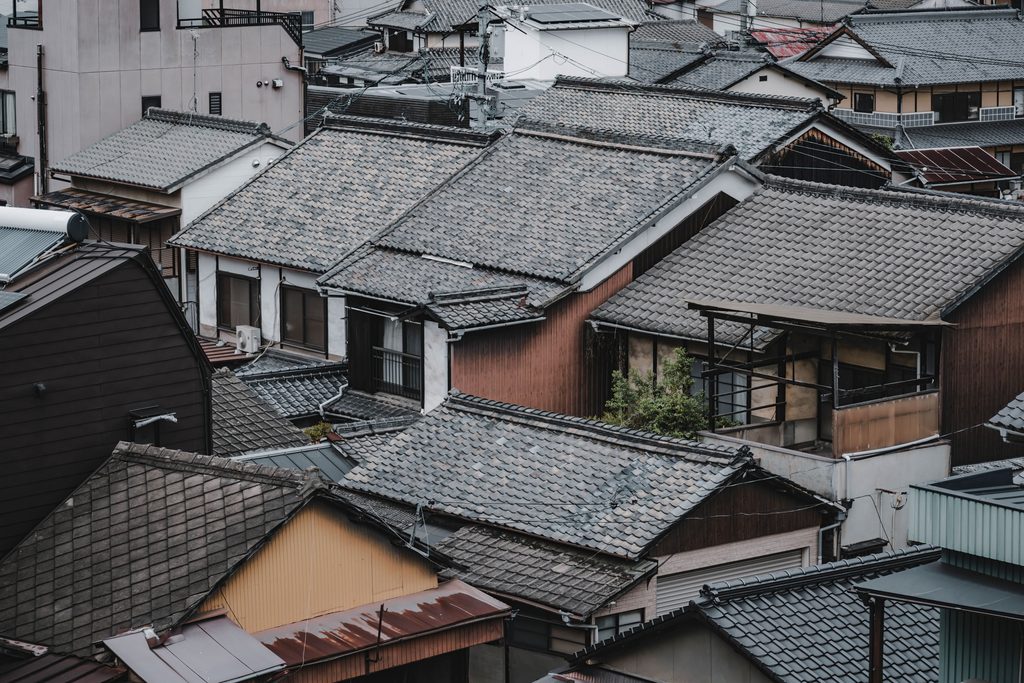
Sunlight has traditionally been an important consideration in Japanese housing, partly because drying laundry outdoors is common. As a result, well-lit rooms, sunny balconies, and corner properties with unobstructed windows are often desirable.
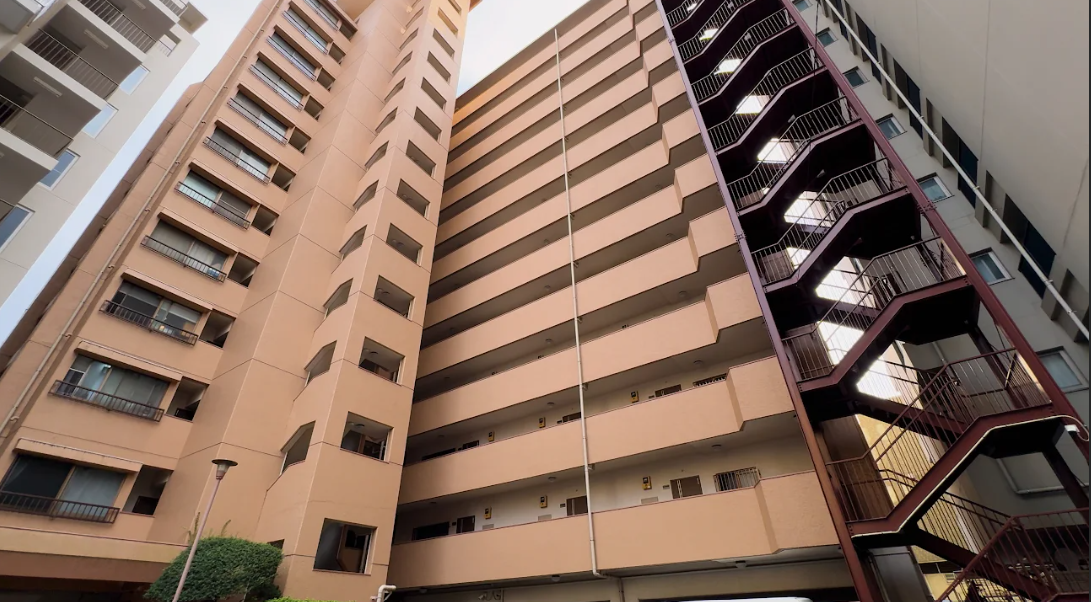
Public transportation is another major factor. With many people commuting by train, properties near stations are particularly popular. Some condominiums even offer direct underground access to stations, a feature often associated with luxury developments.
By contrast, American buyers may place greater value on quiet, green, and secluded neighborhoods. These different preferences can influence property prices, meaning that a location considered luxurious in the United States may not carry the same appeal in Japan.
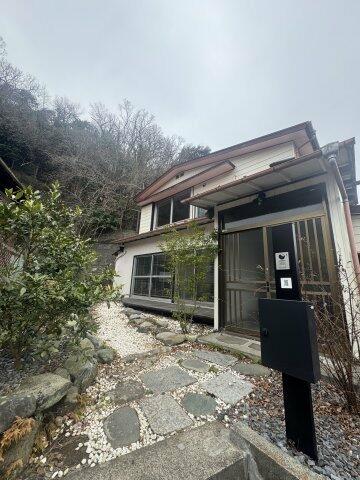
For international buyers, this can create opportunities. A traditional Japanese house, or kominka, located in a suburban area away from the city center may offer an attractive alternative at a more affordable price.
There also seem to be significant differences between Japan and the United States when it comes to choosing an investment property.
For high-rise condominiums in city centers, higher floors are generally considered more desirable in both countries. In Japan, many of the same features valued in owner-occupied homes are also popular when selecting investment properties. These include corner lots or corner units, good sunlight, and locations close to train stations.
Convenience also matters. Quiet residential neighborhoods remain attractive, but areas with nearby shopping streets, shopping centers, and other amenities are often preferred in Japan. In many suburban California markets, by contrast, locations with heavy pedestrian traffic tend to be less desirable.
Another major difference is the importance of the view. In the United States, detached houses and condominiums with attractive views often command higher prices and valuations. Japanese buyers may sometimes prioritize station proximity, convenience, sunlight, floor plan, and other practical factors over a spectacular view, particularly where the view comes with compromises.
A house overlooking the sea may seem ideal, and such properties are admired in Japan. However, they may be far from train stations and exposed to salt damage, landslides, heavy rain, and strong winds. These factors can make them less convenient and increase maintenance costs.
This is particularly important when choosing an investment property in Japan. Since inflation has historically been lower than in the United States, raising rents by 2 to 3 percent every year may not always be realistic. For this reason, choosing a property that is likely to keep maintenance costs relatively low may be the safer approach.
Housing preferences are shaped by lifestyle, transportation, climate, and local expectations. As a result, features that increase a property’s value in the United States may not always have the same effect in Japan, and the reverse can also be true.
For international buyers, these differences can create interesting opportunities. Properties that receive less attention from Japanese buyers may still offer the location, surroundings, or living environment that an overseas buyer values most.
Whether you are looking for a home or an investment property in Japan, understanding these local preferences can help you look beyond conventional expectations and find a property that better matches your own priorities.