Tokyo vs Kyoto: The Comparison of Japan’s Two Capitals
Posted on April 28, 2026
Tokyo vs Kyoto – Two Sides of Japan
Japan is a nation that exists in two timelines at once. On one side stands Tokyo, a global powerhouse of technology and innovation. On the other is Kyoto, a city of temples, tradition, and timeless beauty.
While Tokyo is considered the modern capital, Kyoto remains the cultural heart of Japan. Understanding the difference between Tokyo and Kyoto reveals how Japan balances progress with preservation.
1. History of Tokyo and Kyoto: Heian vs Edo
Kyoto: The Ancient Imperial Capital
Founded in 794, Kyoto served as Japan’s capital for over 1,000 years during the Heian period. It was the center of aristocratic culture, where literature like The Tale of Genji flourished.
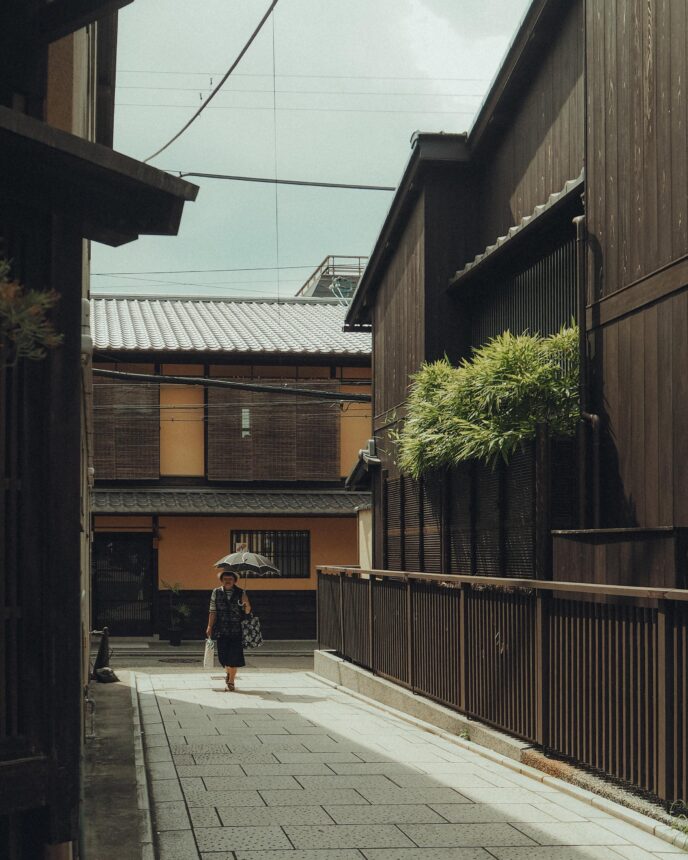
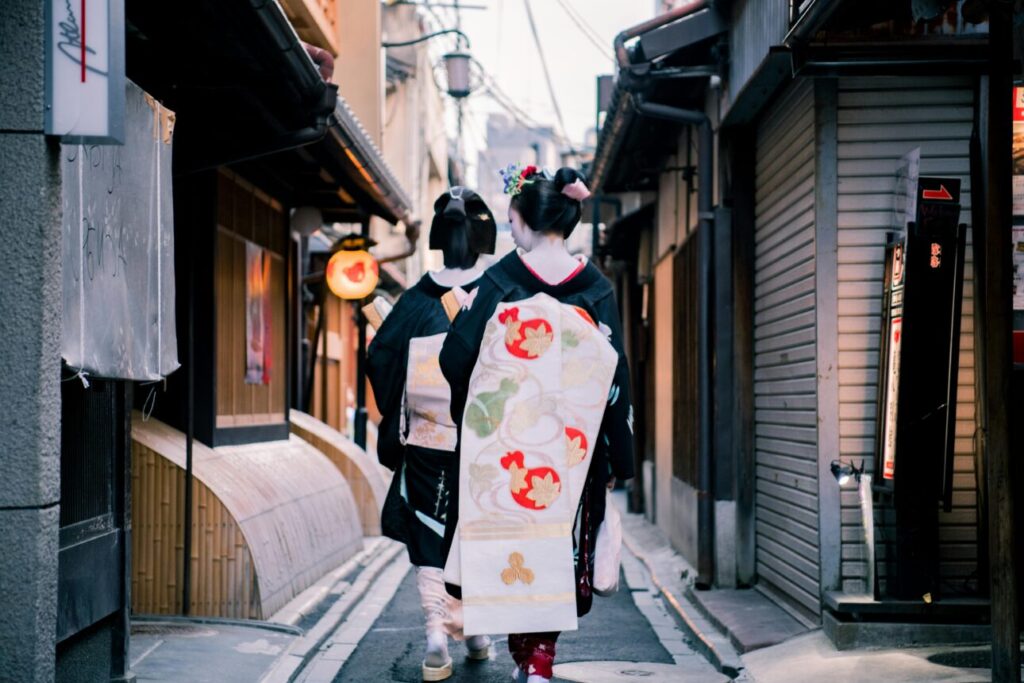
Kyoto today still reflects this heritage, with historic temples, shrines, and traditional wooden streets that preserve Japan’s classical identity.
Tokyo: From Edo to Modern Capital
Tokyo began as a small village called Edo before rising to power under the Tokugawa Shogunate in 1603.
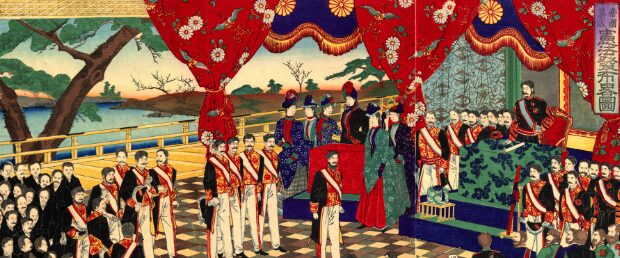
During the Meiji Restoration, the emperor moved to Tokyo, transforming it into Japan’s political and economic center.
2. Geography: Kyoto’s Preservation vs Tokyo’s Expansion
Kyoto: Surrounded by Nature
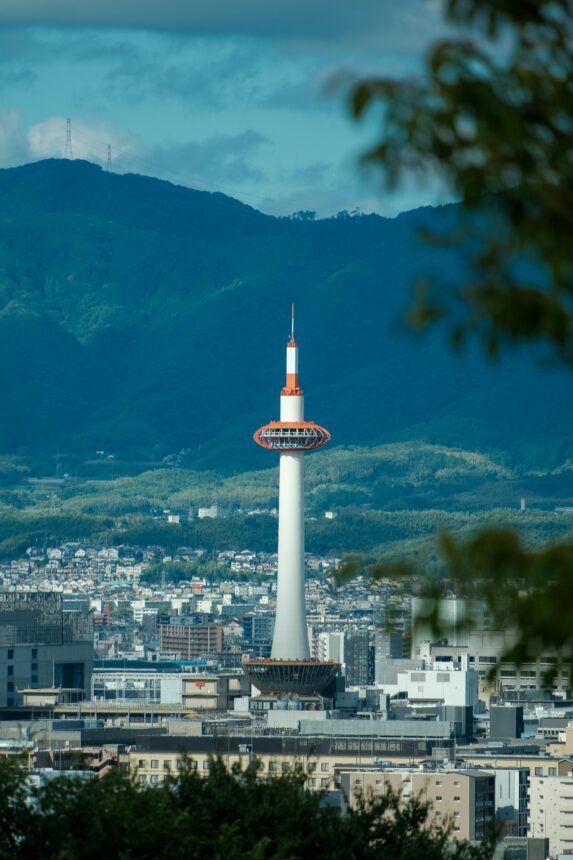
Kyoto lies in the Kansai region, surrounded by mountains that helped protect its historical landscape. Strict building regulations ensure that modern buildings do not overpower traditional architecture.
This makes Kyoto one of the best-preserved historical cities in the world.
Tokyo: Built for Growth
Tokyo is located on the Kanto Plain, giving it space to expand into a massive metropolitan area. It has grown into one of the world’s largest cities, known for its infrastructure, finance, and technology sectors.
3. Culture During Isolation: The Sakoku Era
Japan’s period of isolation, known as Sakoku (1603–1868), shaped both cities differently.
Kyoto: Refinement of Tradition
Kyoto became the centre of refined Japanese culture. Traditions such as the tea ceremony, kimono craftsmanship, and kaiseki cuisine developed into highly sophisticated arts.
Tokyo (Edo): Rise of Popular Culture
Edo developed a vibrant urban culture among common people. Kabuki theatre, ukiyo-e art, and sumo wrestling became popular during this period.
After isolation ended, Tokyo quickly adopted Western technology, while Kyoto remained rooted in tradition.
4. Tokyo vs Kyoto Today: Key Differences
When comparing Tokyo and Kyoto today, the contrast becomes even more striking. Each city plays a completely different role in shaping Japan’s identity.
Kyoto: The Cultural Soul of Japan
Kyoto is widely regarded as the spiritual and cultural heart of the country. It offers a slower, more reflective lifestyle centred around tradition.
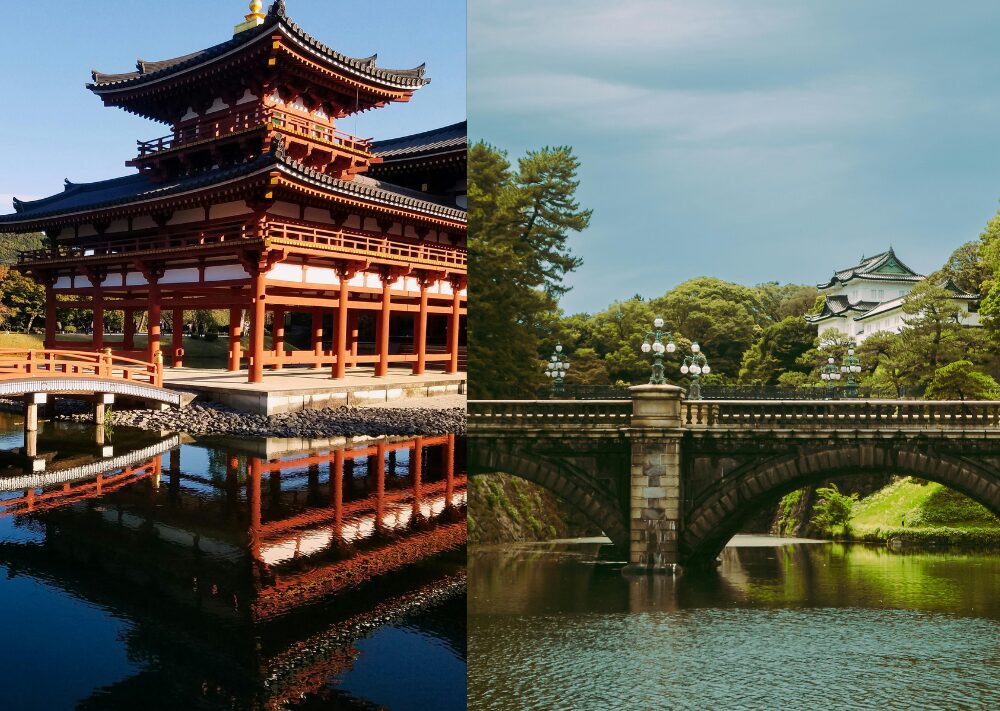
Home to historic temples, shrines, and UNESCO heritage sites
Known for tea ceremonies, geisha culture, and traditional crafts
The atmosphere is calm, quiet, and deeply rooted in history
Ideal for travellers seeking authenticity and cultural depth
Tokyo: The Modern Brain of Japan
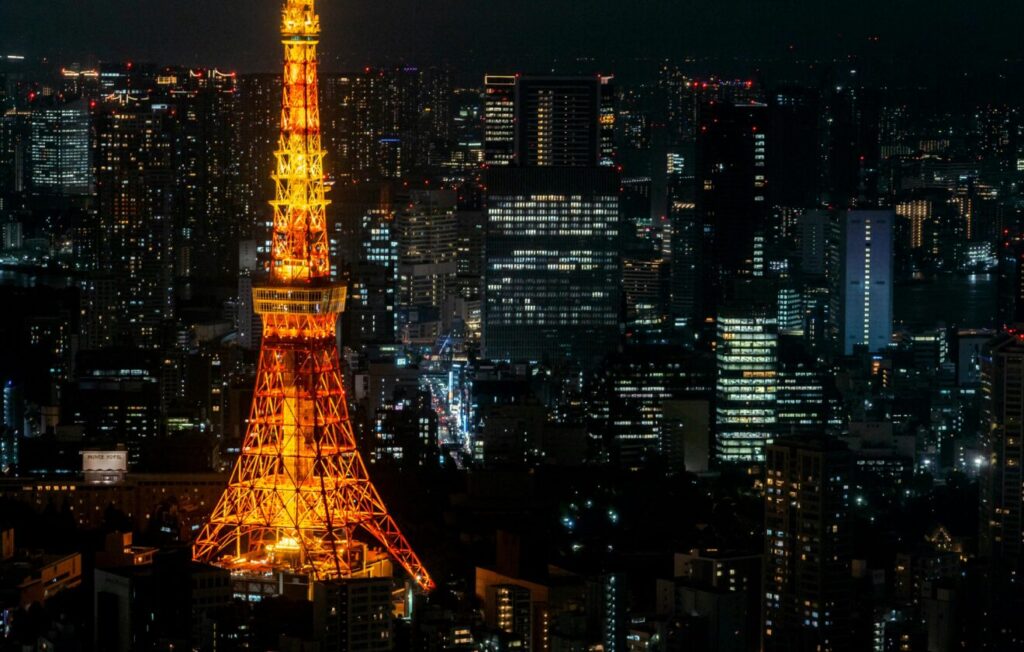
Tokyo represents the cutting edge of modern Japan. It is where innovation, business, and global trends converge.
Place of finance, government, and international business
Famous for technology, shopping districts, and pop culture
Fast-paced lifestyle with constant movement and energy
Ideal for those looking for excitement, convenience, and modern living
Which One Should You Choose?
If you prefer tradition, history, and a slower pace, Kyoto is the better choice. If you enjoy modern cities, nightlife, and innovation, Tokyo will suit you more.
For most visitors, the best decision is not choosing one, but experiencing both.
Conclusion: Which City is Better—Tokyo or Kyoto?
There is no simple answer to whether Tokyo or Kyoto is better. Each city represents a different side of Japan.
Tokyo is the centre of innovation and global influence, while Kyoto preserves the traditions and spirit of the past.
To truly understand Japan, you need to experience both—the neon lights of Tokyo and the quiet temples of Kyoto.
START YOUR JOURNEY TODAY
Ready to buy property in Japan? Let Mr. LAND guide you toward making your dream a reality. Browse our listings, book a consultation, or contact our friendly team for more information.
Don’t wait—take the first step toward owning your dream property in Japan today!
Ready to buy property in Japan? Let Mr. LAND guide you toward making your dream a reality. Browse our listings, book a consultation, or contact our friendly team for more information.
Don’t wait—take the first step toward owning your dream property in Japan today!