CONNECTING
YOU TO THE
RIGHT PROPERTY
4F Nihonkoudoukai Building
3-1-6 Nishikanda, Chiyoda-ku,
Tokyo, Japan 101-0065

Telephone
Outside Japan & Global Division
Domestic Sales Division

Fax
03-6261-4098

4F Nihonkoudoukai Building
3-1-6 Nishikanda, Chiyoda-ku,
Tokyo, Japan 101-0065
Telephone
Outside Japan & Global Division
Domestic Sales Division
Fax
03-6261-4098

4F Nihonkoudoukai Building
3-1-6 Nishikanda, Chiyoda-ku,
Tokyo, Japan 101-0065
Telephone
Outside Japan & Global Division
Domestic Sales Division
Fax
03-6261-4098

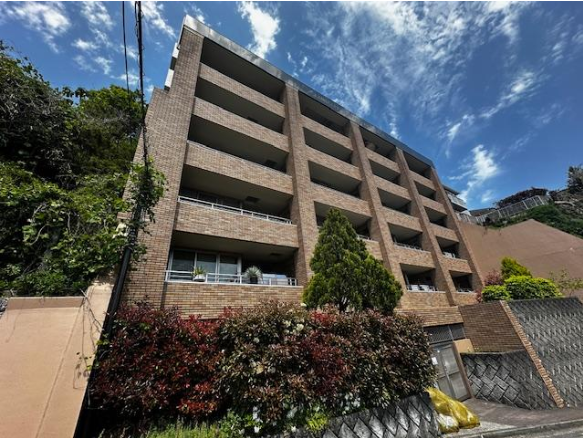
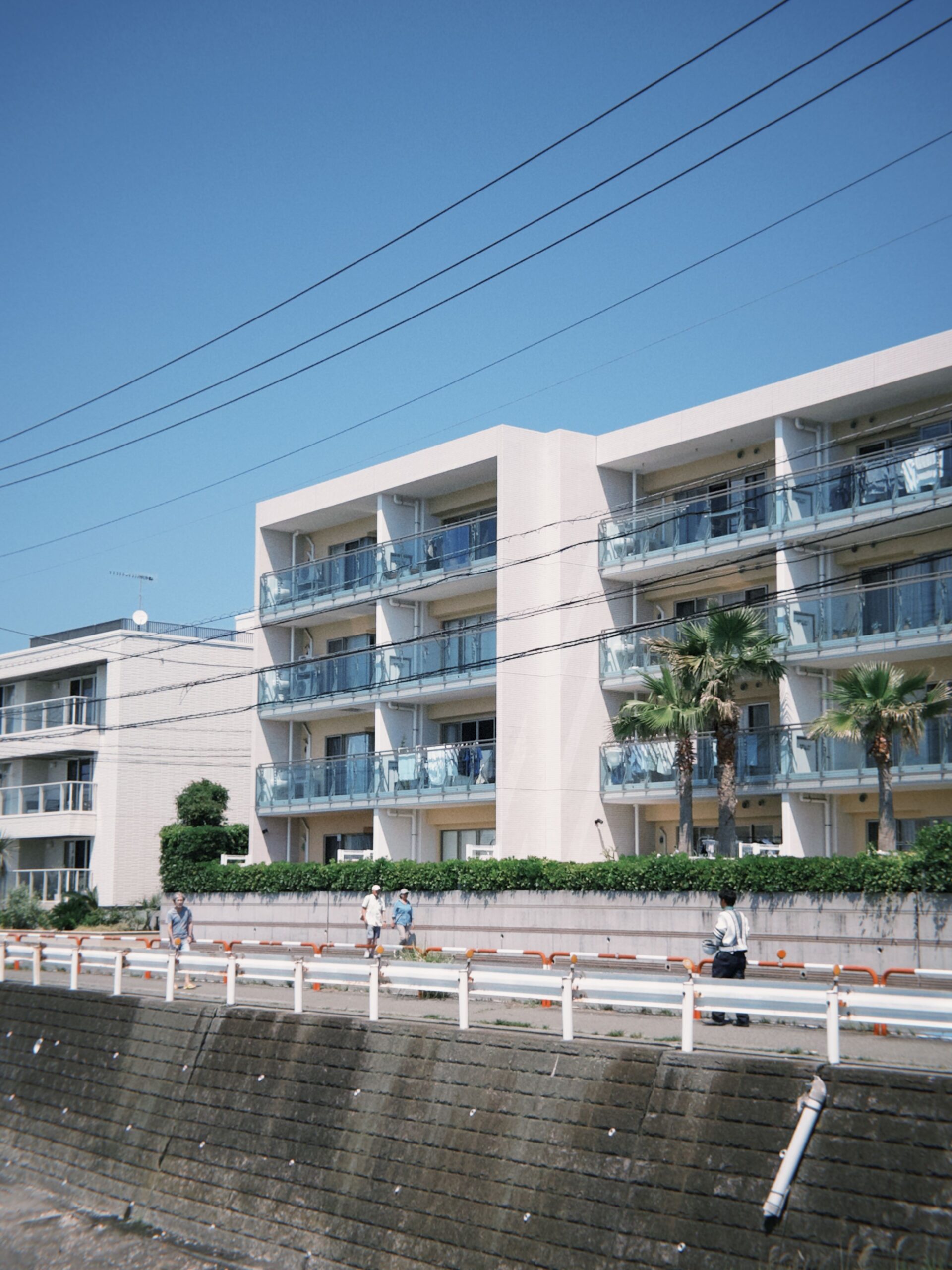
Walk down almost any street in Tokyo, Osaka, or even a sleepy provincial town, and you’ll notice something peculiar about the apartment buildings. They rarely have straightforward names like “Sakura Heights” or “Fuji View.” Instead, you’ll find yourself staring up at signs that read Château Serenité, Palace Grandia, or the gloriously baffling Cute Gorgeous Maison.
Welcome to the wonderfully surreal world of Japanese condo naming — a linguistic playground where French elegance, English aspiration, German practicality, and Italian romance all collide in ways that would make a native speaker raise an eyebrow.
And somehow, it works.
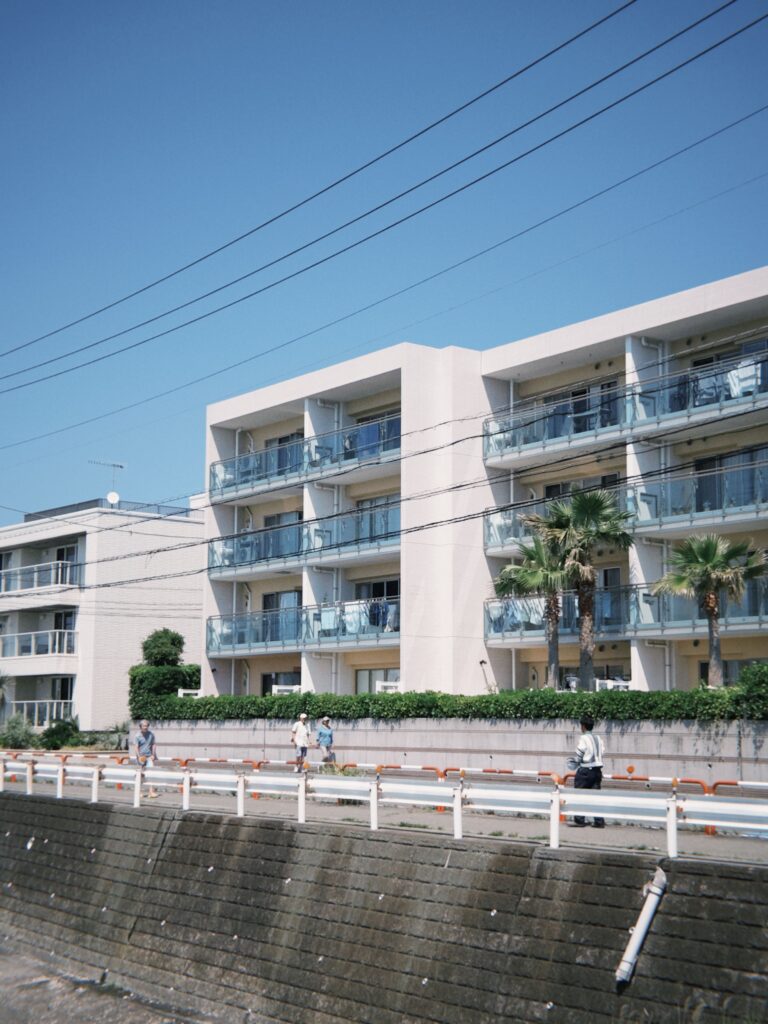
Japanese condos and apartments — often called manshon (from the English “mansion,” which in Japan simply means a mid- to high-rise apartment building) — rarely rely on purely Japanese vocabulary. Instead, developers reach for a patchwork of imported words to create atmosphere, aspiration, and identity.
The goal is not literal meaning. It is emotional branding.
A word like “Château” instantly evokes Europe, prestige, and refinement, even if the building itself is a modest concrete structure beside a train line. “Maison” appears constantly despite meaning “house” in French, because the word sounds soft, warm, and sophisticated to Japanese ears. Accuracy is secondary. Mood is everything.
In many ways, condo names in Japan function less like addresses and more like lifestyle packaging.
What makes Japanese condo naming fascinating is that it reveals how deeply branding shapes real estate perception.
In Japan, a building’s name often becomes part of its long-term identity. Buyers remember names. Residents introduce where they live by building name. Property listings prominently display it. Over time, certain naming styles even become associated with status tiers or developer reputations.
Series names like “Park Court,” “Proud,” “Branz,” or “Grand Maison” immediately signal a certain market position to local buyers familiar with Japanese real estate.
The name itself becomes shorthand for aspiration.
Even when buyers know intellectually that “Royal Palace Hills” may simply be another efficient concrete apartment block, the branding still influences emotional perception. A luxurious-sounding name subtly reframes the experience of the property before someone even steps inside.
That may sound superficial, but branding in real estate has always been emotional. Developers are not just selling square meters — they are selling identity, lifestyle, and the feeling of upward mobility.
Japanese condo naming simply makes that process unusually visible.
Spend enough time reading Japanese property listings, and patterns begin to emerge. Many condo names are assembled almost like modular branding kits:
Mix them together, and you get names like:
Longtime residents can often guess the vibe of a building purely from its naming style. “Heim” tends to suggest something modest and practical. “Court” feels slightly upscale. “Grand” and “Palace” aim directly at luxury, whether or not the architecture fully cooperates.
The naming conventions become a kind of unofficial real estate dialect.
Because these names are designed around sound and emotional resonance rather than linguistic precision, grammatical consistency often disappears entirely.
It is common to encounter:
Names like “Green Capital Forest” or “Sunlife Court Premium” may sound strange to native English speakers, but within the context of Japanese branding, they make perfect sense.
The words are being used less as language and more as aesthetic material.
Like a chef seasoning a dish, developers choose words for flavour, texture, and association — not grammatical purity.
Not every building aims for aristocratic grandeur. Smaller apartments aimed at students or young singles often lean into warmth and charm instead.
Names like Petit Maison, Bonheur, or Sweet Home [Neighbourhood Name] are designed to feel approachable and comforting rather than prestigious.
At the luxury end of the spectrum, however, some buildings stack together as many elegant-sounding words as possible, occasionally creating combinations that feel almost surreal to foreign readers.
A name like Château Palace Grandia Court may sound excessive, but it reflects a very human branding instinct: if one luxury word sounds sophisticated, surely four must sound even better.
There is something oddly endearing about the excess.
Condo naming is ultimately part of a much broader cultural pattern in Japan: the creative remixing of foreign language into something locally meaningful.
French suggests elegance. Italian feels fashionable. English implies modernity and internationalism. German often conveys reliability or comfort.
Rather than preserving these languages exactly as native speakers use them, Japan absorbs fragments of them and repurposes them into its own aesthetic vocabulary.
The result is not a failed translation.
It is localised aspiration.
And perhaps that is why these names remain so memorable. They are not trying to communicate precise meaning. They are trying to create a feeling — sophistication, warmth, ambition, romance, prestige — in just a few carefully chosen words.
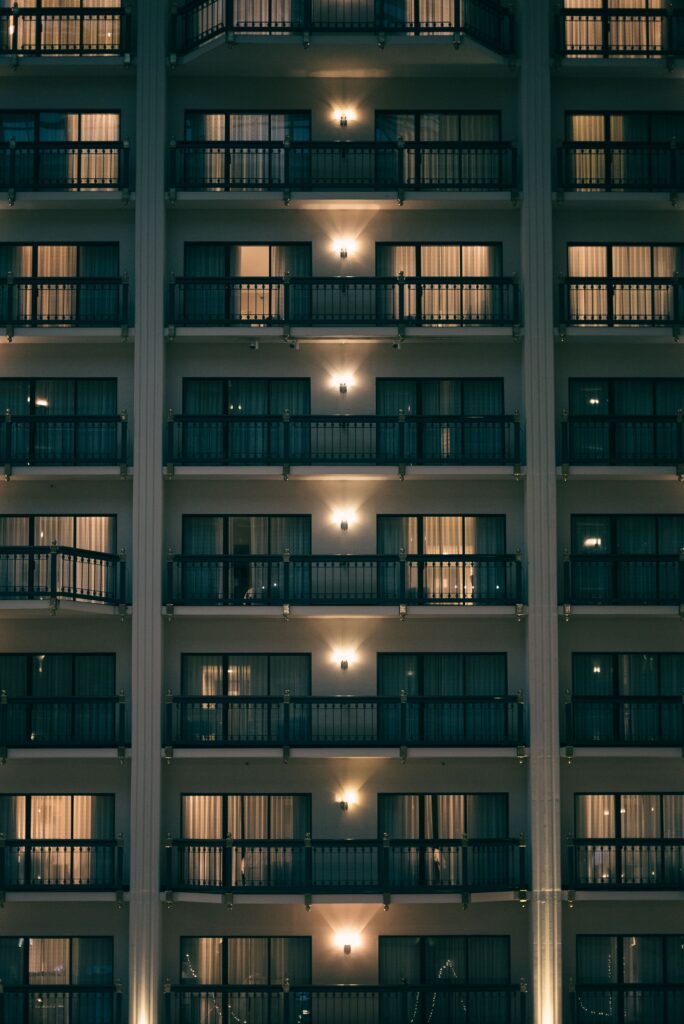
So the next time you spot a building called Sun Palace Heim or Bonheur Court Maison, resist the urge to judge it as broken French or awkward English.
These names are not linguistic mistakes.
They are branding artifacts — tiny snapshots of how Japan blends global influence with local imagination. A condo name here is rarely just a label on a building. It is a miniature sales pitch, a mood board, and a statement of aspiration all at once.
In that sense, Japanese condo naming is less “lost in translation” and more proof that translation was never really the point.