CONNECTING
YOU TO THE
RIGHT PROPERTY
4F Nihonkoudoukai Building
3-1-6 Nishikanda, Chiyoda-ku,
Tokyo, Japan 101-0065

Telephone
Outside Japan & Global Division
Domestic Sales Division

Fax
03-6261-4098

4F Nihonkoudoukai Building
3-1-6 Nishikanda, Chiyoda-ku,
Tokyo, Japan 101-0065
Telephone
Outside Japan & Global Division
Domestic Sales Division
Fax
03-6261-4098

4F Nihonkoudoukai Building
3-1-6 Nishikanda, Chiyoda-ku,
Tokyo, Japan 101-0065
Telephone
Outside Japan & Global Division
Domestic Sales Division
Fax
03-6261-4098

If you’ve spent any time looking at Japanese real estate from overseas, you’ve probably noticed a problem:listings are difficult to read, there are unfamiliar terms used, prices vary wildly depending on where you look, and it’s difficult to get a full and clear understanding of the property you are looking at.
This post is different. We’re going to walk you through what your budget actually buys you across three distinct zones of Greater Tokyo — with real property types, real locations, and honest trade-offs.
To do that, we’re going to use the following framework that is easy to understand for overseas Buyers:
Tokyo City Living— the urban core, where you’re in the middle of everything.
The Connected Cities — a ring of well-connected cities and towns within 30–45 minutes of central Tokyo, where your money goes considerably further.
The Escape Belt — the areas beyond the commuter zone, where the lifestyle shifts entirely: coastal, rural, and resort areas within roughly 40–80km (25 to 50 miles) of Tokyo.
The single most important thing to understand before you start searching is this: the same budget buys very different lifestyles depending on which zone you’re looking at. That’s not a problem — it’s actually the most useful thing to know. So let’s start with the question we hear most from buyers at every stage: “What can I get with XX yen?”
At ¥30M, you’re buying access. The question is — access to what?
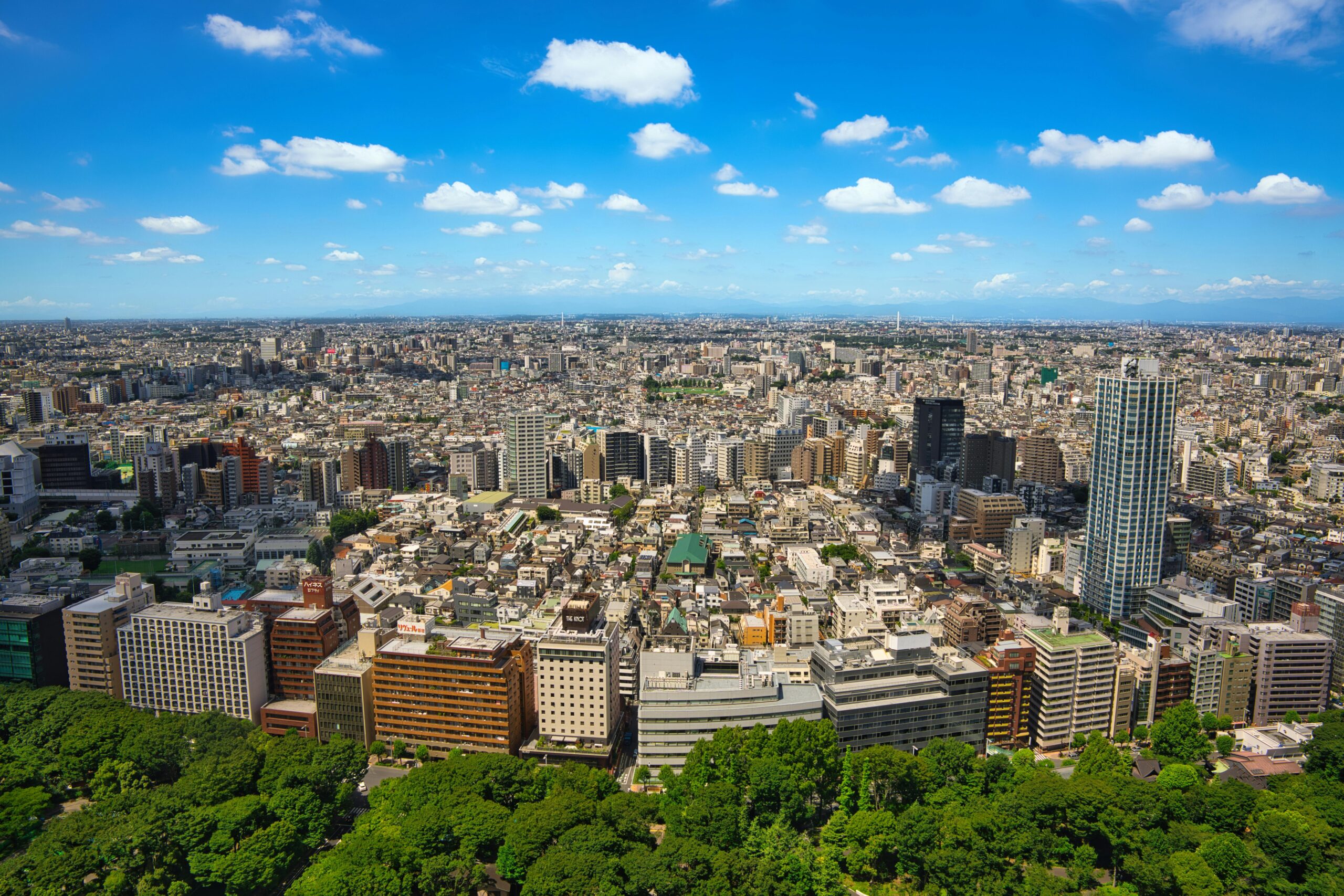
At this price point in central Tokyo, expect a compact studio or 1LDK condominium in a low to mid-rise building. Realistic wards at this budget include Taito-ku, Edogawa-ku, and Koto-ku — outer wards, but still genuinely central by most cities’ standards. Size-wise, you’re looking at roughly 30–40 square metres (around 350 sq feet) , and building age is a real consideration: properties in this bracket are typically 30 to 50 years old or more.
The trade-off is straightforward: you’re giving up space and building newness in exchange for a Tokyo address and everything that comes with it — the train network, the walkability, the convenience of city life on your doorstep.
The one-line summary: You’re in Tokyo. Close to the city centre. But space is the price you pay.
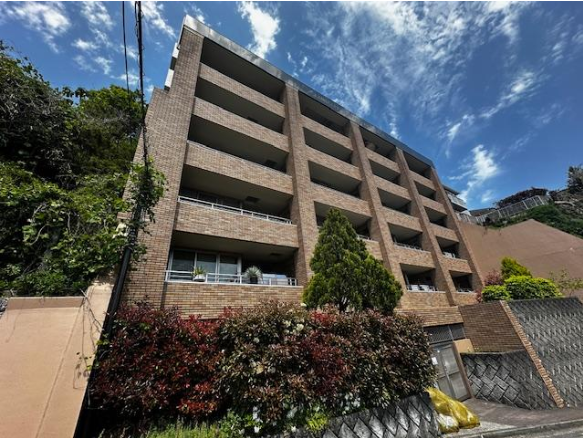
Step outside the city limits and ¥30M buys a meaningfully different property. In cities like Mitaka, Funabashi, and Kawaguchi, this budget gets you a 2LDK apartment in a mid-rise building — roughly 50-70 square metres (around 500 to 750 sq.ft) , more than double what you’d get in central Tokyo at the same price. The commute to Shinjuku or Tokyo Station runs 30–45 minutes, and the train connections are excellent.
The trade-off here is the commute itself and the slightly less urban feel. You’re not in Tokyo — you’re connected to it.
The one-line summary: More room, more green, an extensive train network — but Tokyo is a commute, not a walk.
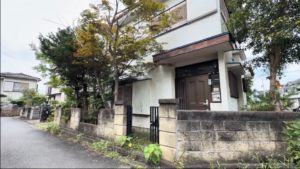
Push further out into the Escape Belt and the picture changes dramatically. In areas like Hachioji, Narita, and Kawagoe — 35–80km (around 22 to 50 miles) from central Tokyo — ¥30M starts to open up 3LDK condominiums and even detached houses. The commute to central Tokyo is an hour or more, the surroundings are considerably more rural, and the infrastructure is thinner than you’d find closer to the city.
For a buyer whose priority is space and a quieter pace of life rather than urban access, this bracket in the Escape Belt makes a compelling case. For someone who expects to commute regularly or wants to be close to Tokyo’s amenities, it’s a harder sell.
The one-line summary: Detached houses are on the table — but you’re trading the city for them.
At ¥50M, you can stop making compromises and start making choices. This is the bracket where we see the most foreign buyers land — and for good reason.
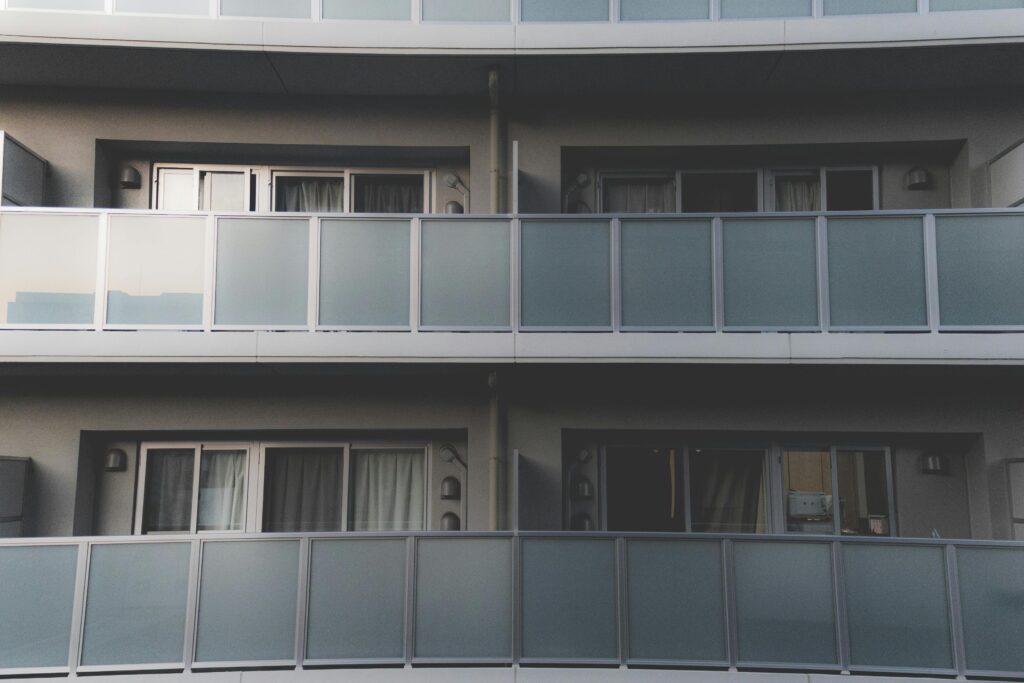
In central Tokyo, ¥50M opens up 1–2LDK apartments in wards like Adachi, Itabashi, and Nerima — still outer wards, but with solid train connections and meaningfully newer buildings. You’re no longer looking at 50-year-old stock; buildings in this bracket are typically under 30 years old, well maintained, and more comfortable to live in. Space is still limited, but your options are broader and the quality of what you’re buying improves noticeably.
The one-line summary: More options, newer buildings, but space is still at a premium.
This is where The Connected Cities really comes into its own. At ¥50M, cities like Yokohama, Kawasaki, Tachikawa, Machida, and Chiba offer a wide range of detached houses and 3LDK condominiums — solid, well-located properties within roughly 30 minutes of central Tokyo. Buildings aren’t new, but there are good choices across a range of sizes, ages, and distances from the station.
The variety at this price point is genuinely wide. A buyer who is flexible on the specific city but clear on their lifestyle priorities will find this bracket in The Connected Cities offers some of the best value in the Greater Tokyo market.
The one-line summary: You have your pick of houses or condos — options vary widely, but the value is real.
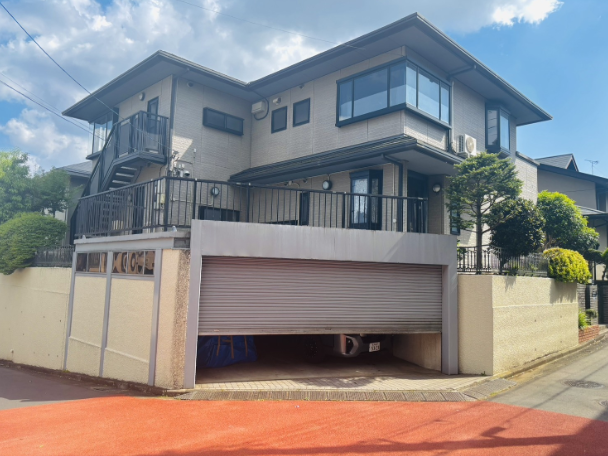
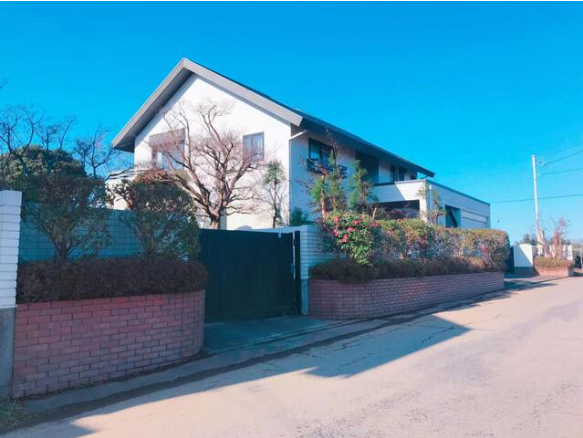
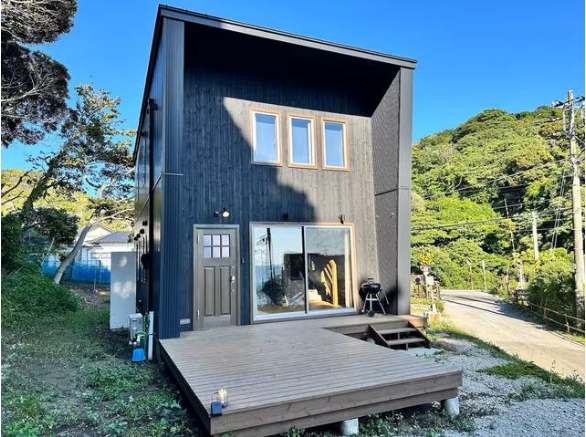
In the Escape Belt, ¥50M is where things get genuinely interesting. On the Bōsō Peninsula in Chiba prefecture— particularly around Ichinomiya — as well as in areas like Fujisawa and the Narita/Sakura corridor, this budget can get you a comfortable, well-presented existing detached house, potentially fully renovated, in a neighbourhood with real character and atmosphere. The commute to central Tokyo is one to two hours, so this is not a property for daily commuters — but for a holiday home, a weekend retreat, or a base for someone spending extended periods in Japan, it represents excellent value.
The one-line summary: A comfortable, characterful house in a beautiful setting — for buyers who don’t need to be in Tokyo every day.
At ¥80M, location (for the most part) stops being a constraint, and the question becomes simpler and more personal: what kind of life do you actually want to lead and enjoy in Japan?
At this budget, central Tokyo opens up properly. Wards like Shibuya, Meguro, and Setagaya become realistic — areas with genuine cachet, excellent walkability, and some of the most desirable addresses in the city. Expect a 2LDK condominium of roughly 50–70 square meters (540 to 750 sq feet) in a newer building, often with views, high-quality finishes, and walking distance to major stations and lifestyle amenities. This is the bracket where Tokyo City Living stops feeling like a trade-off and starts feeling like a genuine luxury.
The one-line summary: Enjoyment of the mega-metropolis that is Tokyo with all that it has to offer.
In The Connected Cities, ¥80M buys something genuinely spacious and comfortable — a detached house or large (by Japan standards) condominium of around 80 to 100 square meters (860 to 1080 sq ft) in well-connected cities like Yokohama, Kawasaki, or Kichijoji. Newer builds start to appear. The balance of quiet, residential living with fast access to central Tokyo is at its best in this bracket. For buyers who want space, quality, and convenience without paying central Tokyo prices, this is a compelling sweet spot.
The one-line summary: The best of both worlds — space and quiet, without sacrificing the connection to the city.
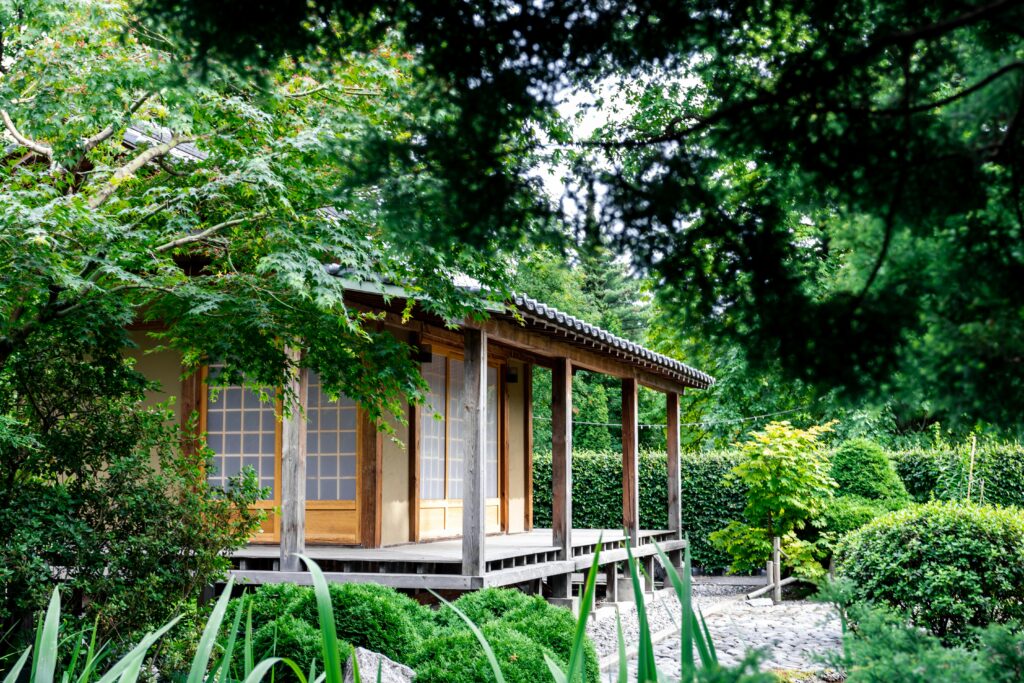
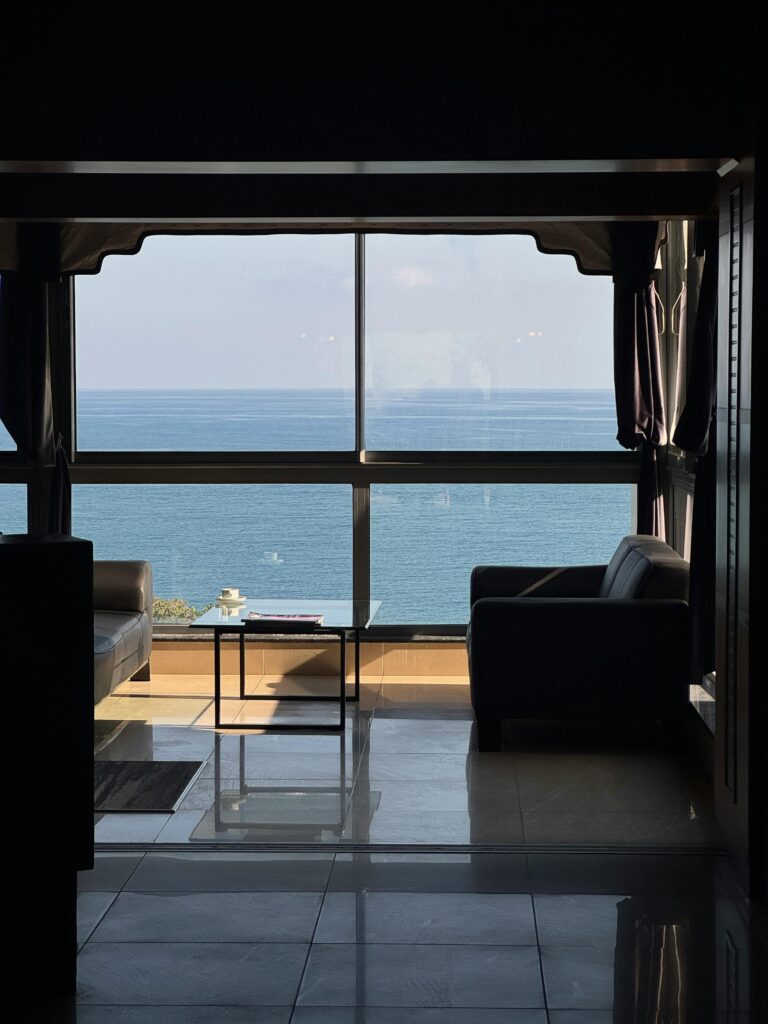
In the Escape Belt, ¥80M buys a genuinely beautiful property. In Shonan, Ichinomiya, and along the Bōsō Peninsula coast, this budget opens up spacious detached houses of 100 square metres or more (over 1080 sq feet) — the kind of property that earns the description “resort living.” Ocean views, gardens, quiet neighbourhoods, and the particular quality of light and pace that draws buyers to this part of Japan in the first place. If you’re buying in the Escape Belt, this is the bracket where it stops being a compromise and becomes the whole point.
You also have the option of buying land and then building a new house.
The one-line summary: A beautiful house in one of Japan’s most desirable coastal areas — this is what people are thinking when they imagine owning in Japan.
Before you start searching in earnest, there are four factors that significantly affect what you’re actually getting — and they don’t always show up in the listing.
Almost all Japanese property documentation — purchase agreements, building reports, legal registrations, management rules — is in Japanese. This isn’t a barrier to buying, but it is a barrier to buying well. Working with an agent who handles the entire process in English isn’t a luxury or a convenience; it’s the difference between understanding exactly what you’re agreeing to and hoping for the best.
Our Global Sales Division exists specifically for this. We’ve guided buyers from all over the world through the purchase process in Greater Tokyo, entirely in English — from the first property search to the moment the keys change hands.
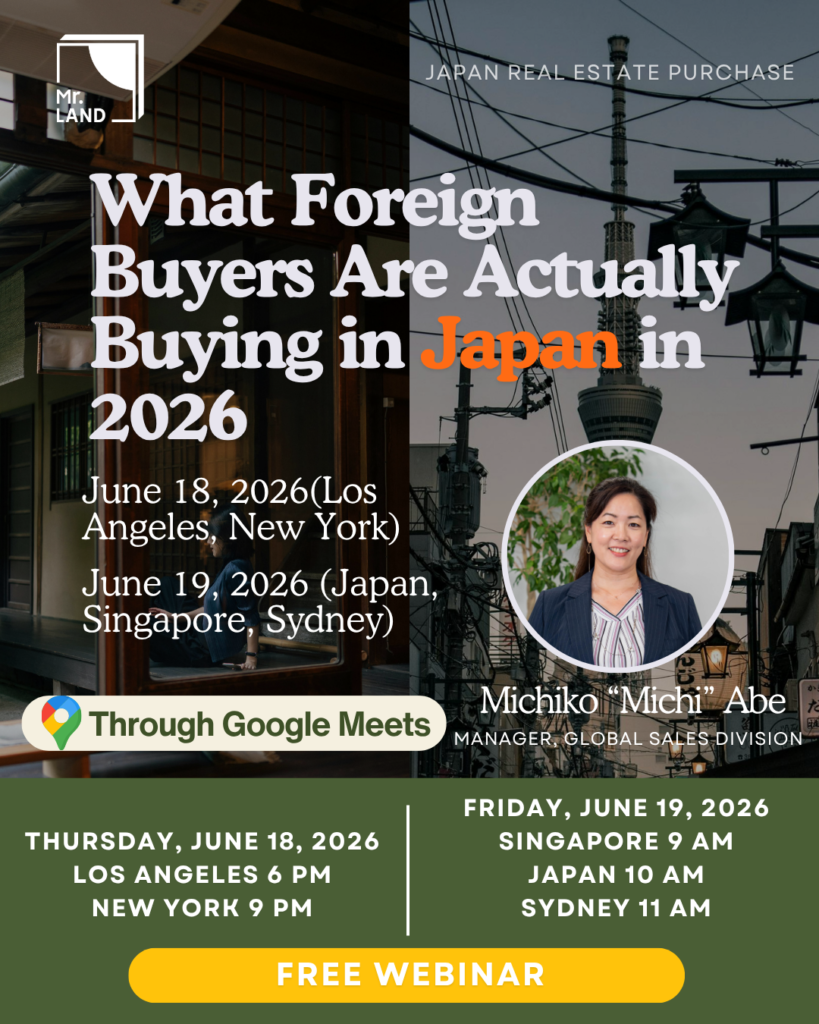
This post covers the framework. If you want the full picture — real properties, real buyer stories, and a live Q&A where you can ask us anything — we’re running a free online seminar on June 19 (Tokyo time) – June 18 (for those in the US and Canada)
This will be for people who are seriously thinking about owning in Japan and want to understand what buyers are actually choosing right now.