What Makes Japanese Culture Unique? Exploring Japan Through Clothing, Food, and Housing
Posted on July 10, 2026
Article written by Yoshiaki Maekawa
Understanding Japanese Culture
My first trip abroad was in 1981, when I visited Hawaii. Everything I encountered felt new and exciting, and I experienced a profound culture shock. Years later, when I arrived at Los Angeles International Airport for work, I felt a mixture of uncertainty and inspiration. The world around me was very different from the culture in which I had been born and raised.
Having admired American culture since childhood, I eventually spent more than thirty-five years living in the United States. Those years taught me an important lesson: culture is shaped over centuries by a country’s climate, natural environment, religion, and way of life. Customs and traditions that help people thrive are preserved, while those that are no longer necessary gradually disappear. Over time, what remains becomes deeply rooted and gives each nation its unique identity.
With a history stretching back as far as 30,000 years to the Jomon period, Japan possesses one of the oldest and most distinctive cultures in the world. Throughout its history, Japan has absorbed influences from abroad and transformed them into something uniquely Japanese. Unlike many nations whose cultures were repeatedly disrupted by invasions or changes in dynasties, Japan has maintained a remarkable degree of continuity, allowing its traditions to evolve while preserving their essence.
Ironically, many Japanese people themselves may not fully recognize the uniqueness of their own culture. Often, it is visitors from overseas who are struck most deeply by its originality and beauty.
Japanese Culture Through Clothing, Food, and Housing
Among the many expressions of culture, clothing, food, and housing are perhaps the most visible. These aspects of daily life reveal how people live, what they value, and how they have adapted to their natural surroundings.
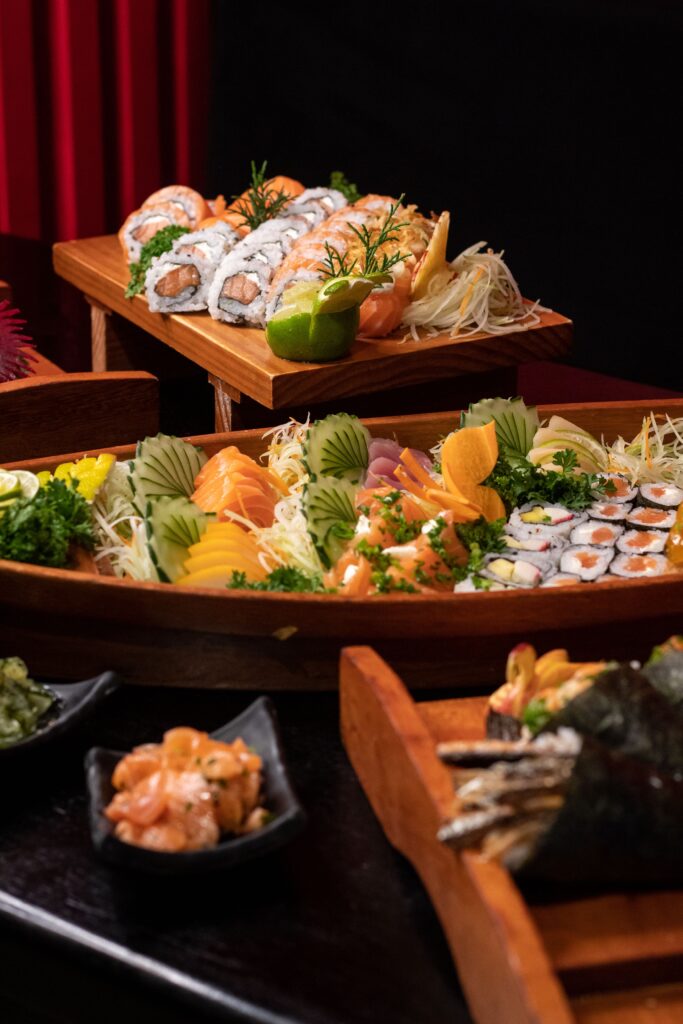
Japanese Food Culture
For many visitors to Japan, food leaves the strongest impression. While Japanese fashion and architecture can be appreciated through magazines and videos, the flavors, aromas, and textures of Japanese cuisine can only truly be understood through experience.
Japanese cuisine is known for its delicate balance and the rich umami created by ingredients such as kombu, bonito flakes, and soy sauce. Yet I came to realize, after living in California, that another essential ingredient lies behind the taste of Japan: water. Even when using identical recipes, Japanese dishes prepared abroad often taste different.
Regional differences within Japan itself are also reflected in the local cuisine. For example, dishes prepared in Tokyo and Kyoto differ not only because of cooking traditions but also because of the characteristics of the water in each region.
The Tradition of Japanese Sake
Japan’s sake culture also reflects the close relationship between nature and daily life. Across the country, breweries produce sake with distinctive flavors influenced by local rice and water.
Fushimi in Kyoto, famous for its soft spring water, is regarded as one of the birthplaces of modern sake brewing. The natural environment of the region helped shape a tradition that continues to be celebrated today.
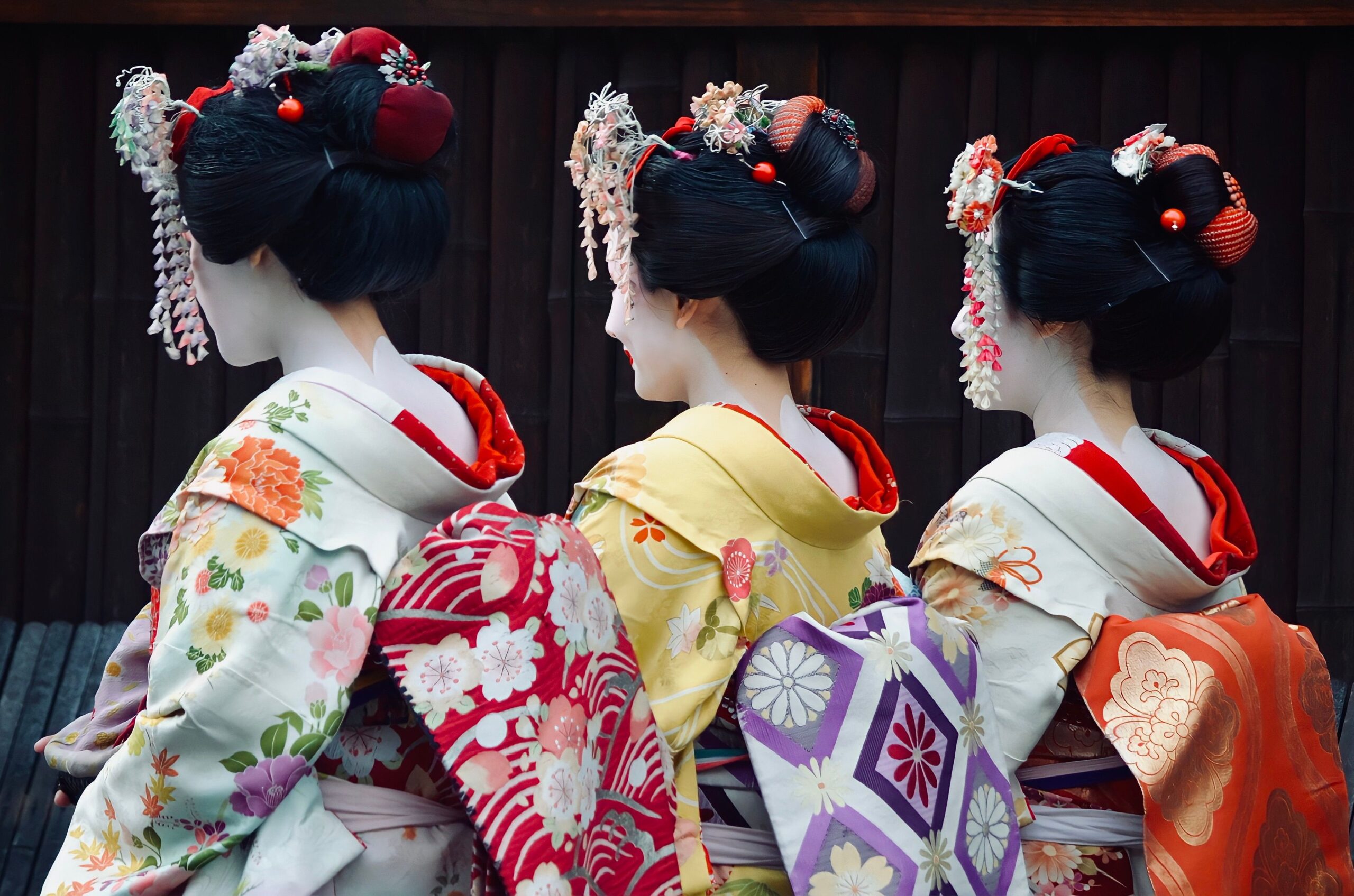
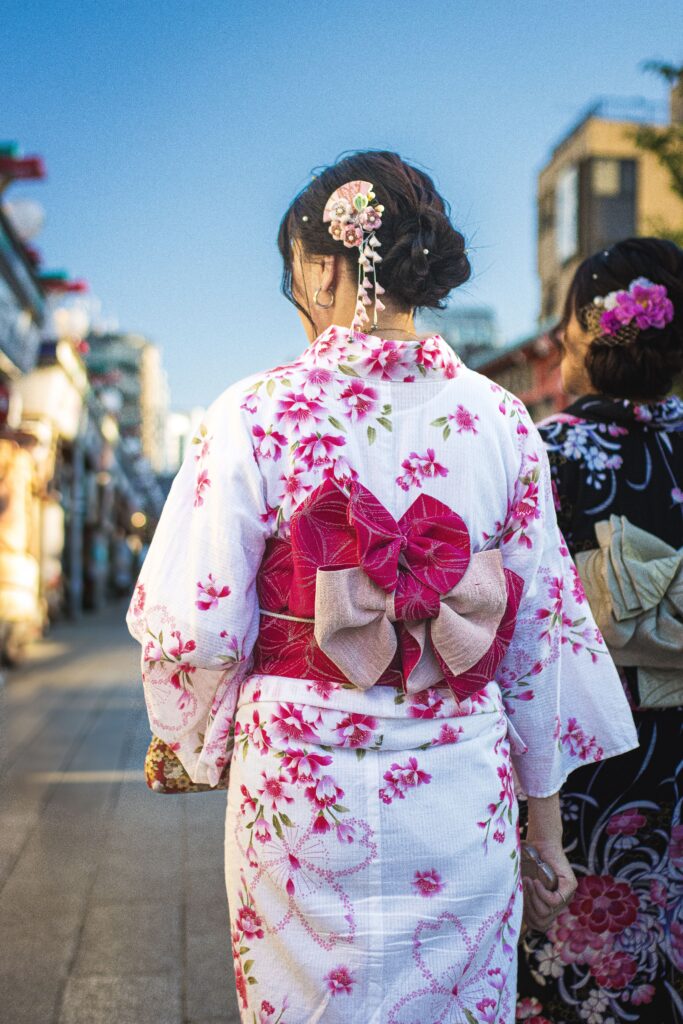
Traditional Japanese Clothing
Traditional Japanese clothing also varies from region to region. Kimono fabrics and dyeing techniques developed according to local plants, natural resources, and water sources, creating distinctive styles unique to each area.
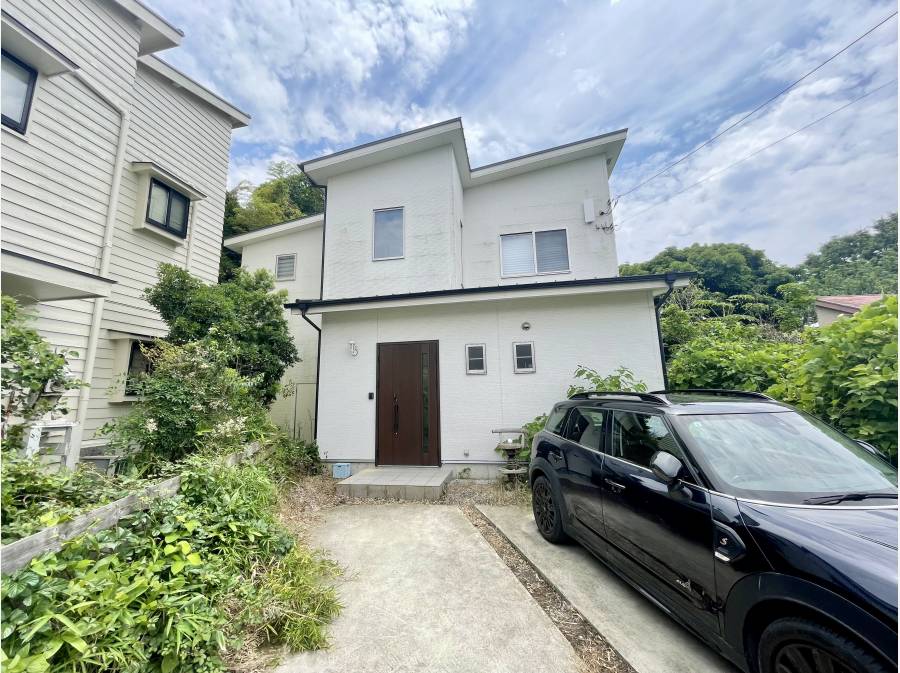
Traditional Japanese Homes and Architecture
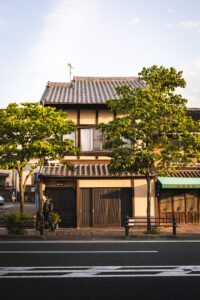
Japan’s traditional homes were built using wooden frameworks and earthen walls. The materials used in these houses were nurtured by the country’s abundant rainfall and four distinct seasons. The result was an architectural style that harmonized with nature and reflected the Japanese appreciation for simplicity, craftsmanship, and seasonal beauty.
Nature and the Foundation of Japanese Culture
Throughout Japan, fresh spring water flows from the mountains, nourishing the land and eventually reaching the sea, where it supports marine life and Japan’s rich seafood culture. Heated by geothermal energy, these underground waters emerge as the hot springs that have become an integral part of Japanese life.
In many ways, Japan’s culture has developed in harmony with its natural environment. From food and sake to clothing and housing, the traditions that define Japan today are deeply connected to the land and to the generations of people who have lived upon it.
Perhaps this is what makes Japanese culture so enduring—and why it continues to fascinate people from around the world.
START YOUR JOURNEY TODAY
Ready to buy property in Japan? Let Mr. LAND guide you toward making your dream a reality. Browse our listings, book a consultation, or contact our friendly team for more information.
Don’t wait—take the first step toward owning your dream property in Japan today!
Ready to buy property in Japan? Let Mr. LAND guide you toward making your dream a reality. Browse our listings, book a consultation, or contact our friendly team for more information.
Don’t wait—take the first step toward owning your dream property in Japan today!